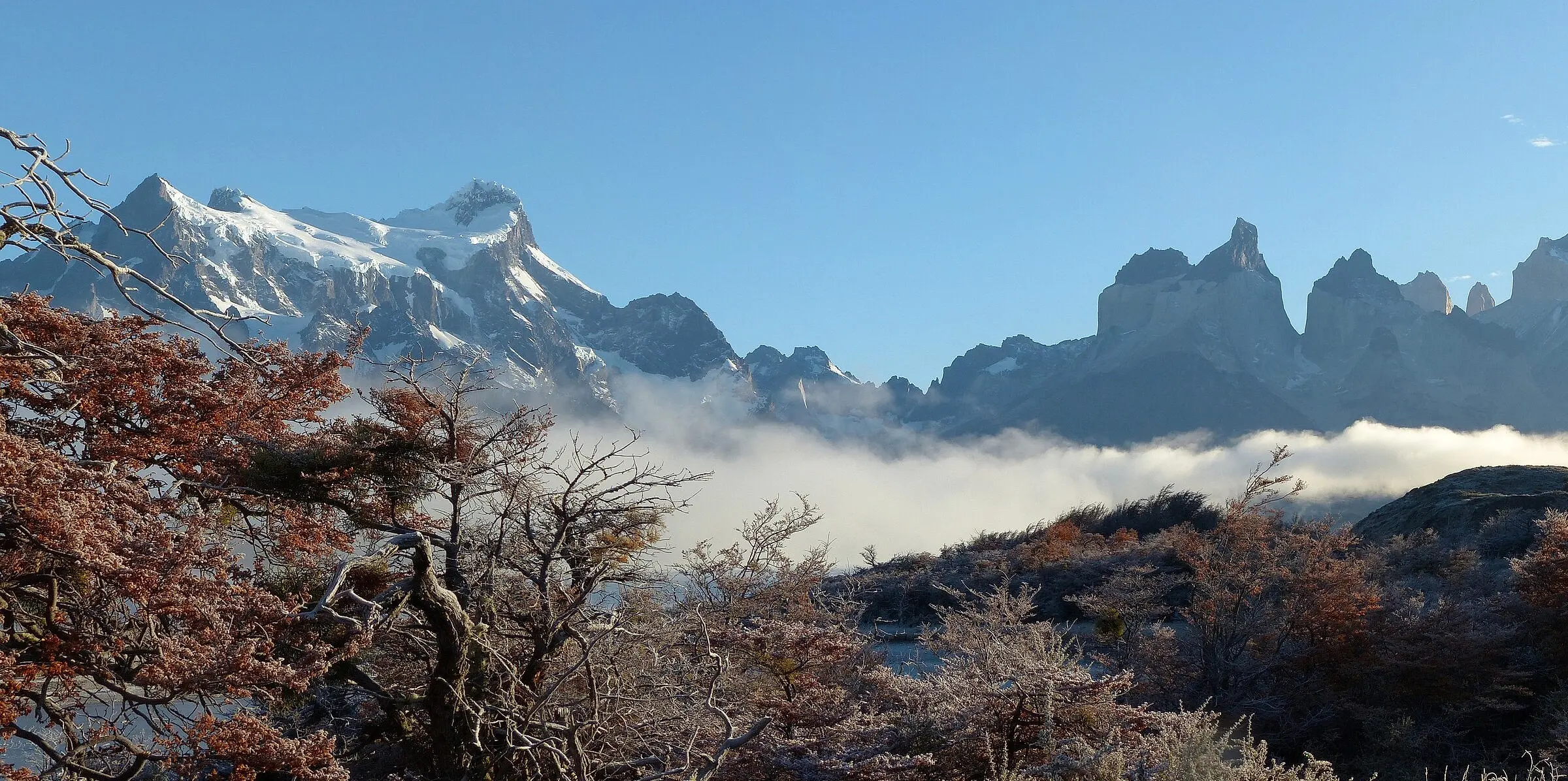
Best Time to Visit Patagonia: Month by Month (2026)
The best time to visit Patagonia is November to March. Month by month, with official weather, park winter rules and penguin and whale dates.
Guides
Seasons, altitude, costs and the trade-offs that decide the shape of a trip. Written by the people who plan them, not by an agency that has never been.
Seasons, and the months that actually work
The best time to visit Patagonia is November to March. Month by month, with official weather, park winter rules and penguin and whale dates.
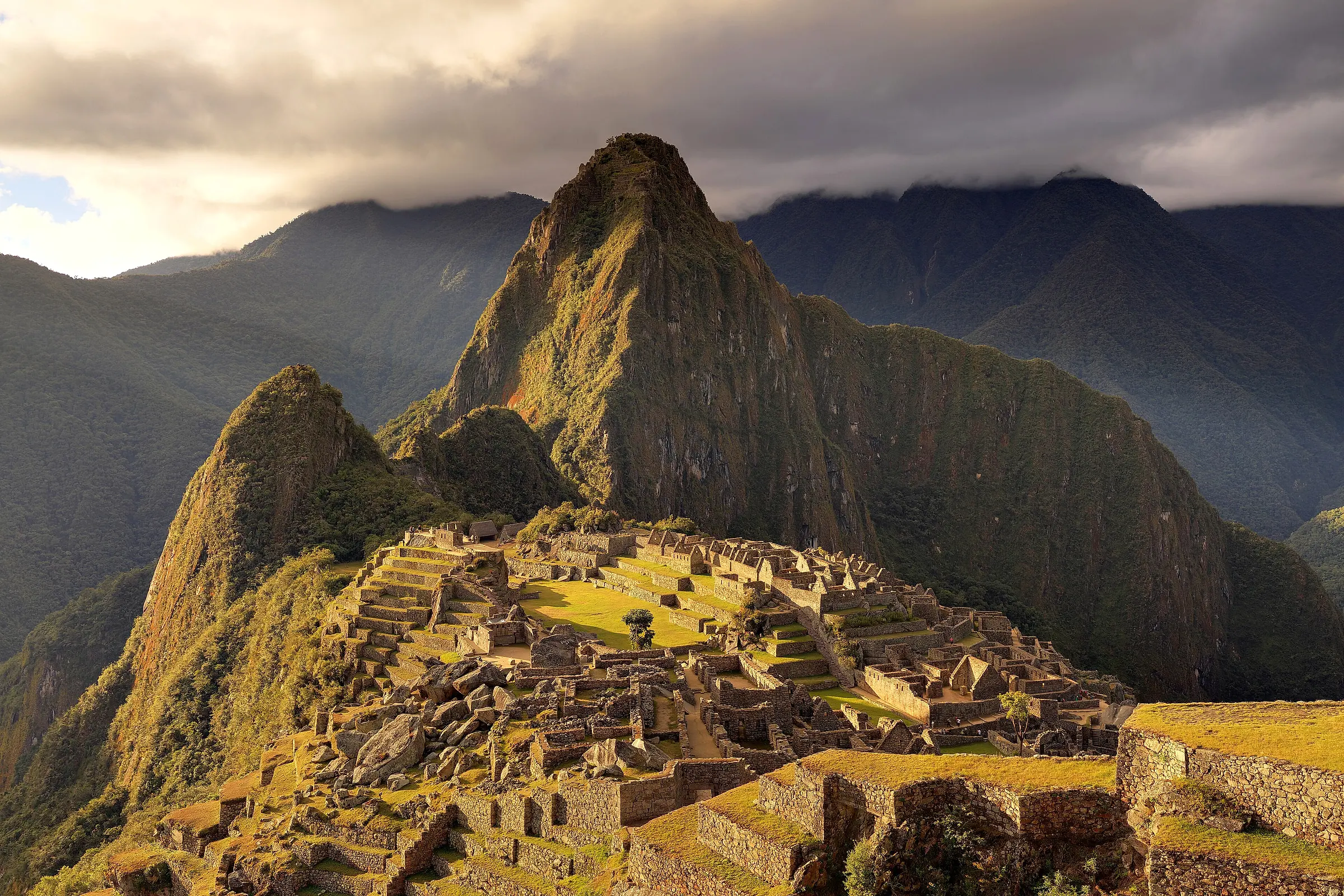
Best time to visit Machu Picchu: May for dry days and calm, late June to October for all ten routes. The 2026 caps and rain, month by month.
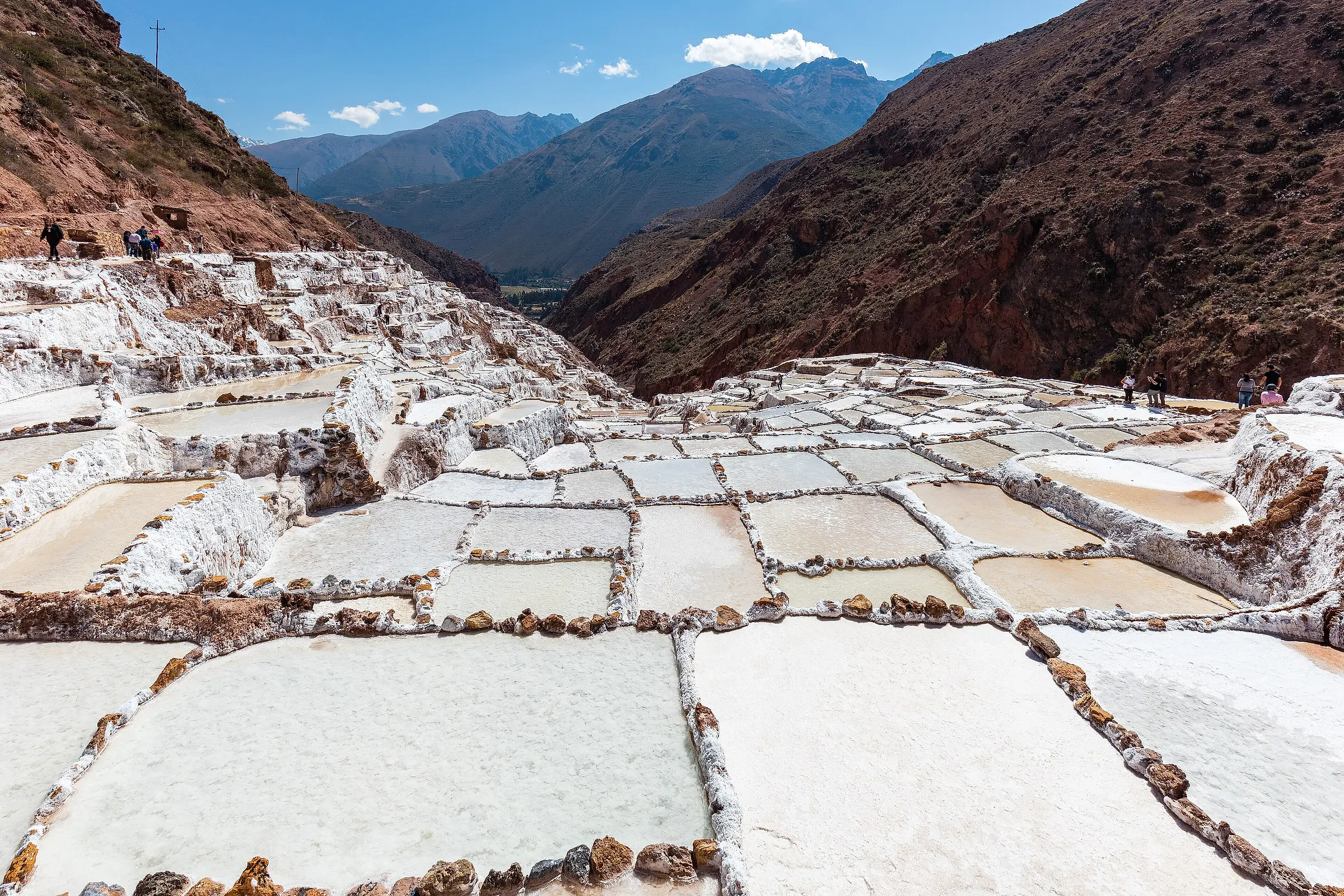
The best time to visit Peru, measured: April and May are not quieter than August, and the Amazon peaks five months after the Andes stop raining.
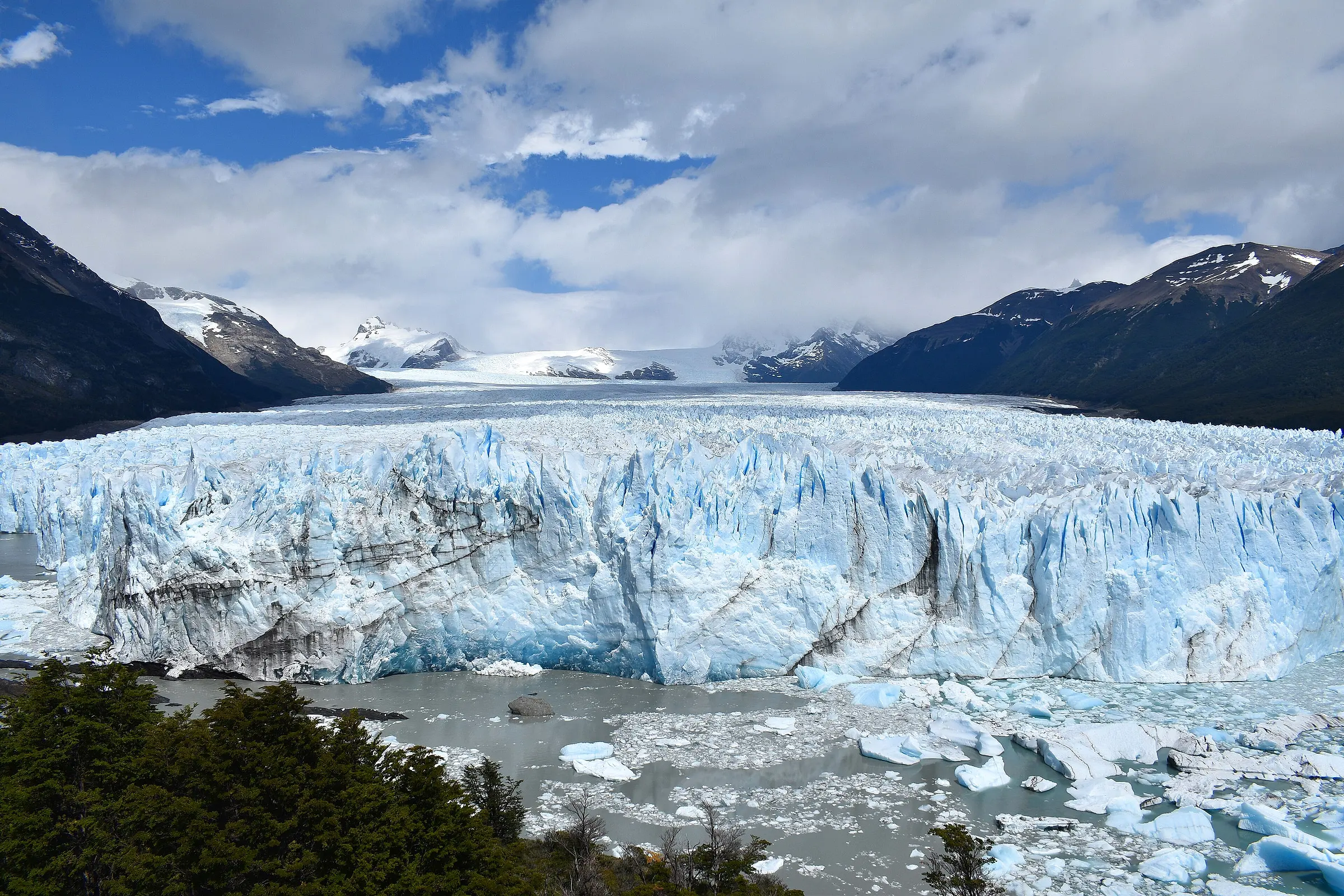
The best time to visit Argentina depends on the region: Patagonia, Buenos Aires, Iguazu and the northwest each peak in a different season.
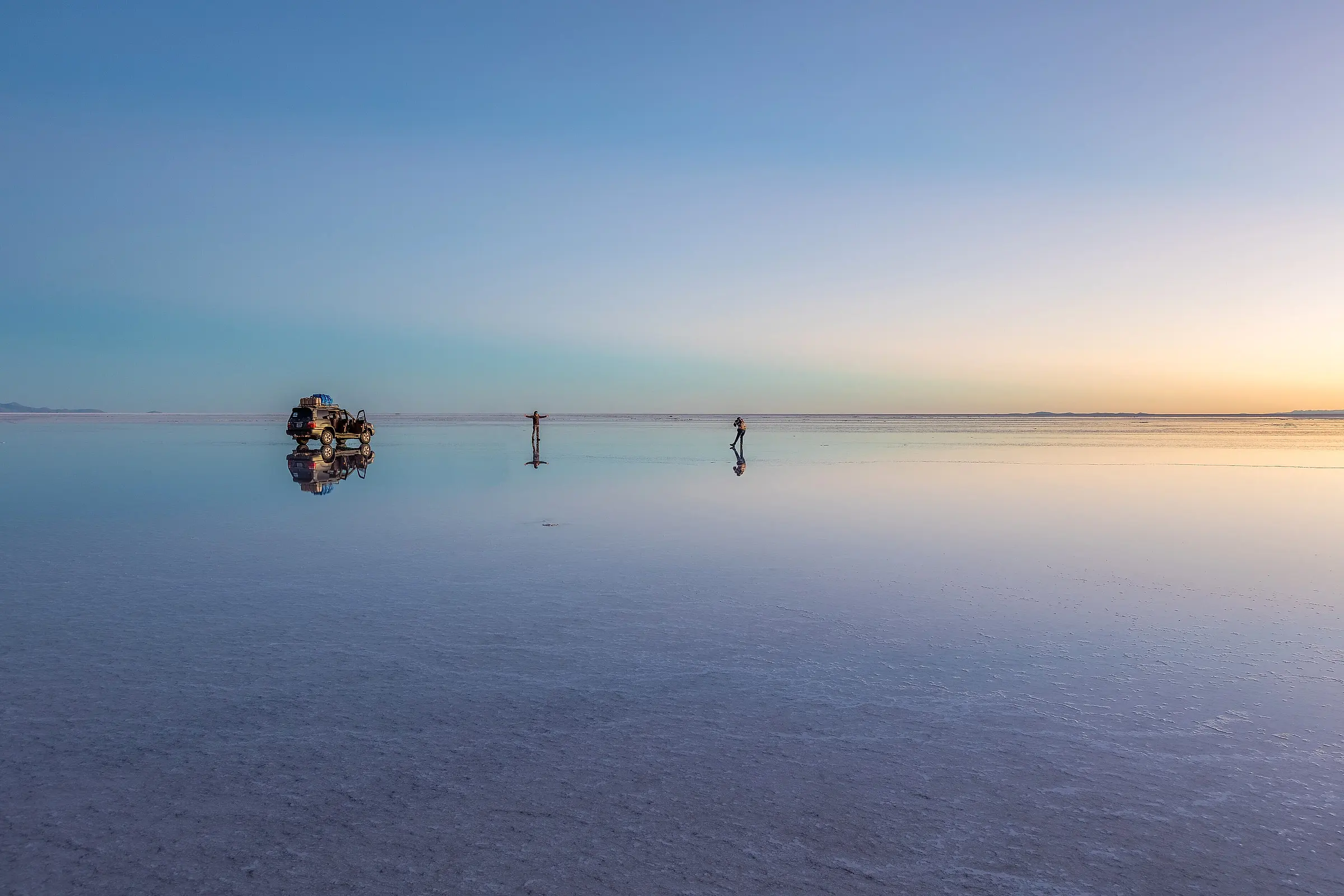
The best time to visit Bolivia depends on one trade-off: the Uyuni mirror needs the wet season, the open roads need the dry one.
How long, in what order, and why the order matters
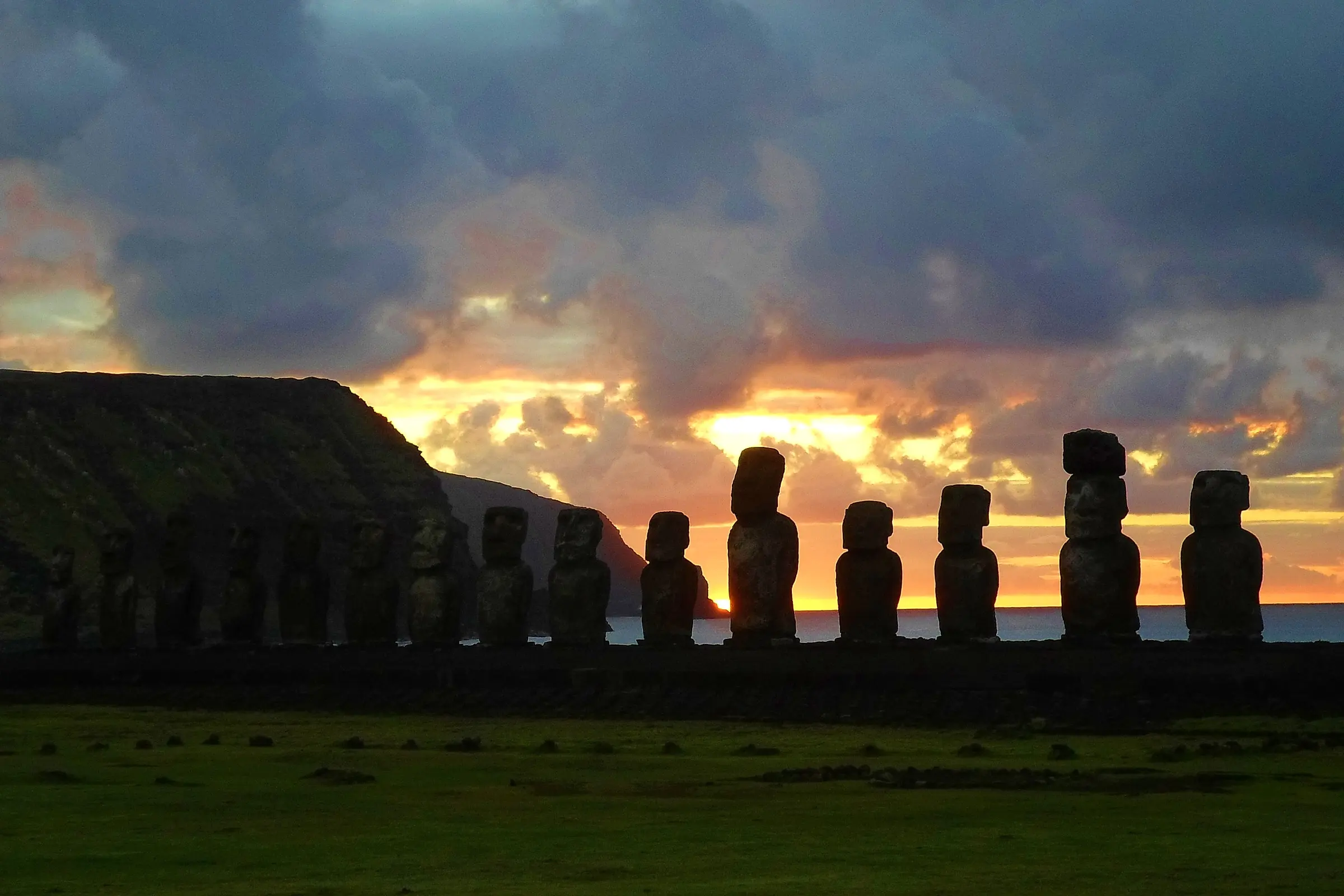
The best places to visit in Chile, from the Atacama Desert to Torres del Paine, with how to reach each one from Santiago and the months that suit it.
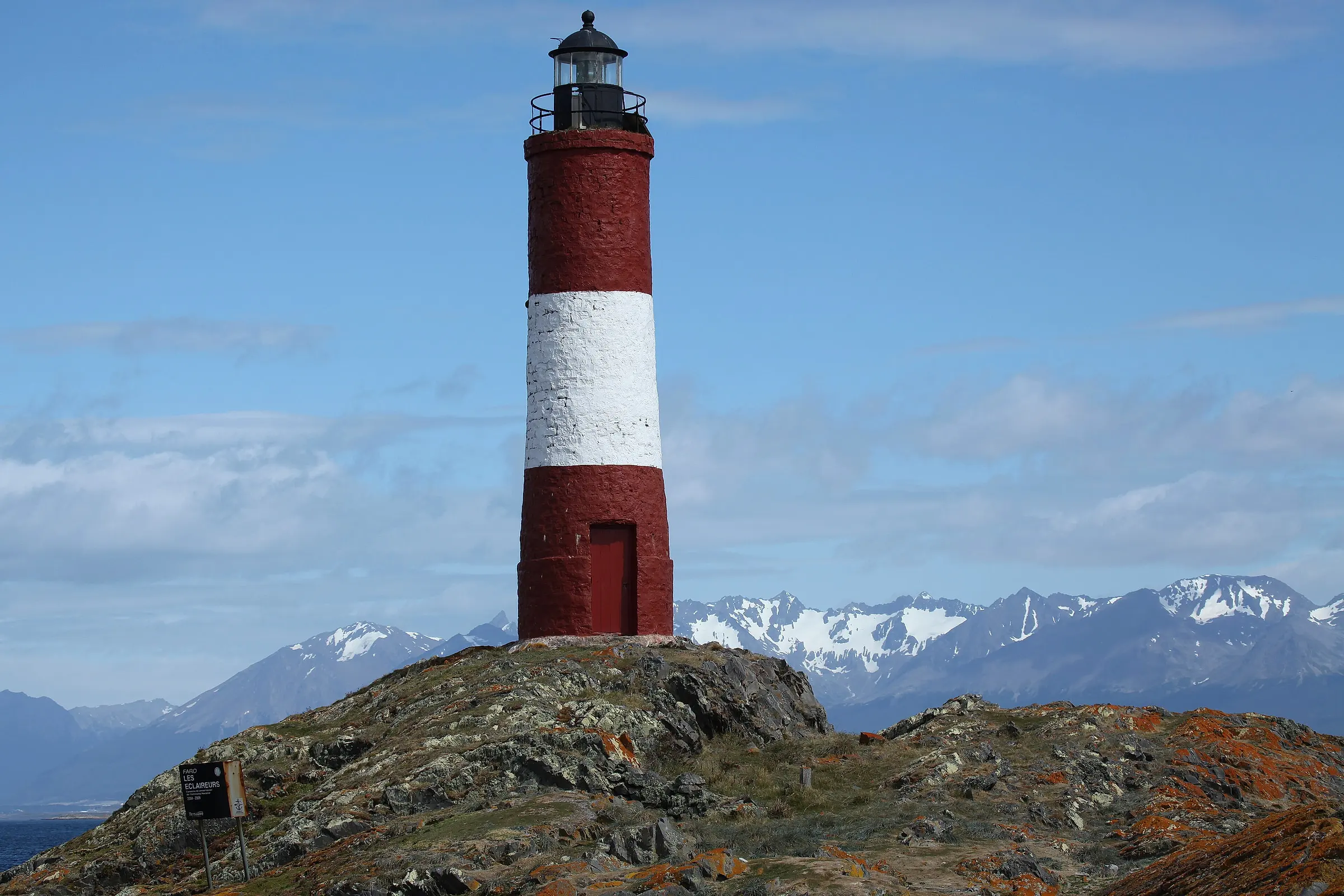
Things to do in Patagonia, from the Perito Moreno glacier and Torres del Paine to Ushuaia and the Valdés whales, with official distances and seasons.
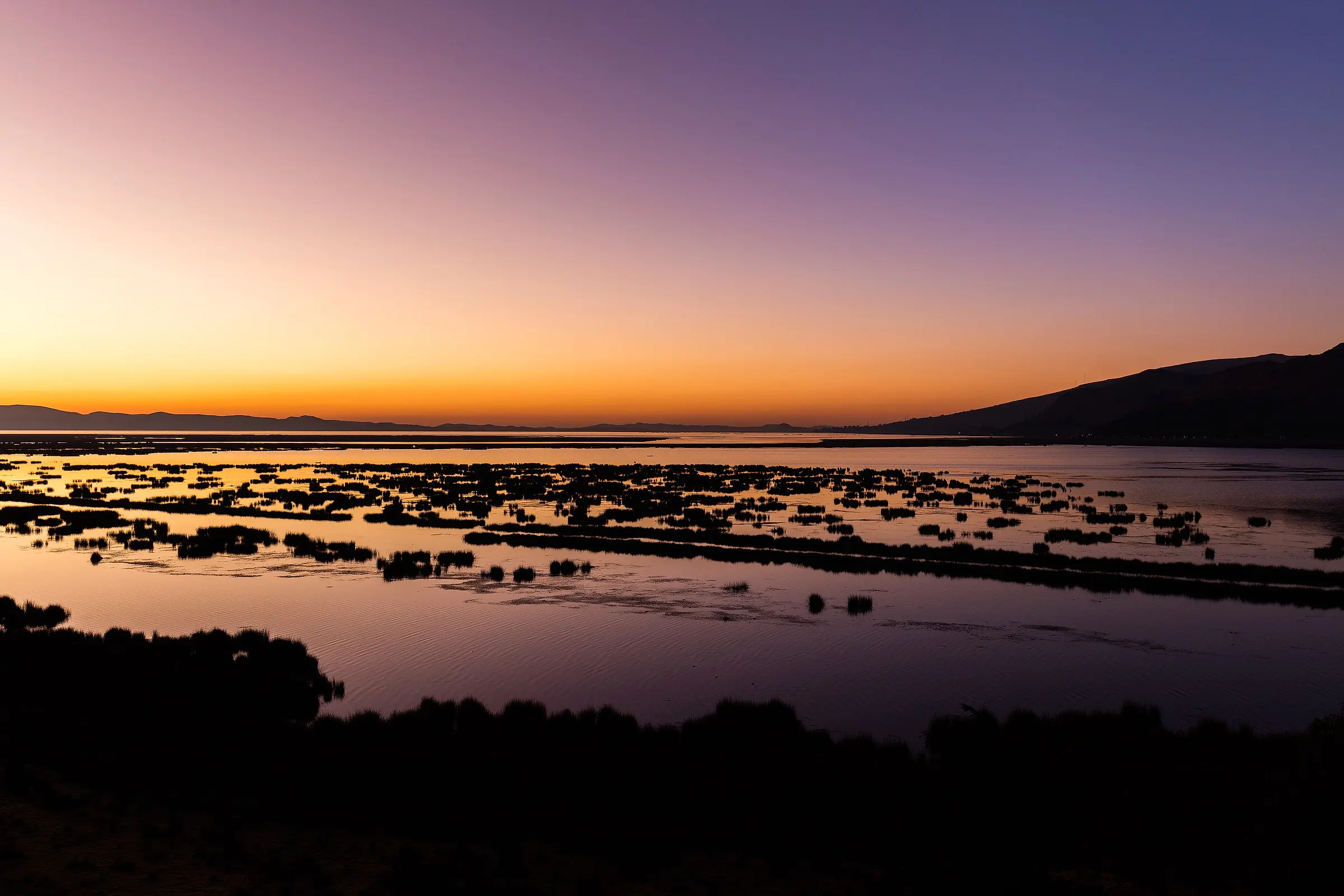
The best places to visit in South America, from Machu Picchu to Patagonia: which country, which months, and how many days each one needs.
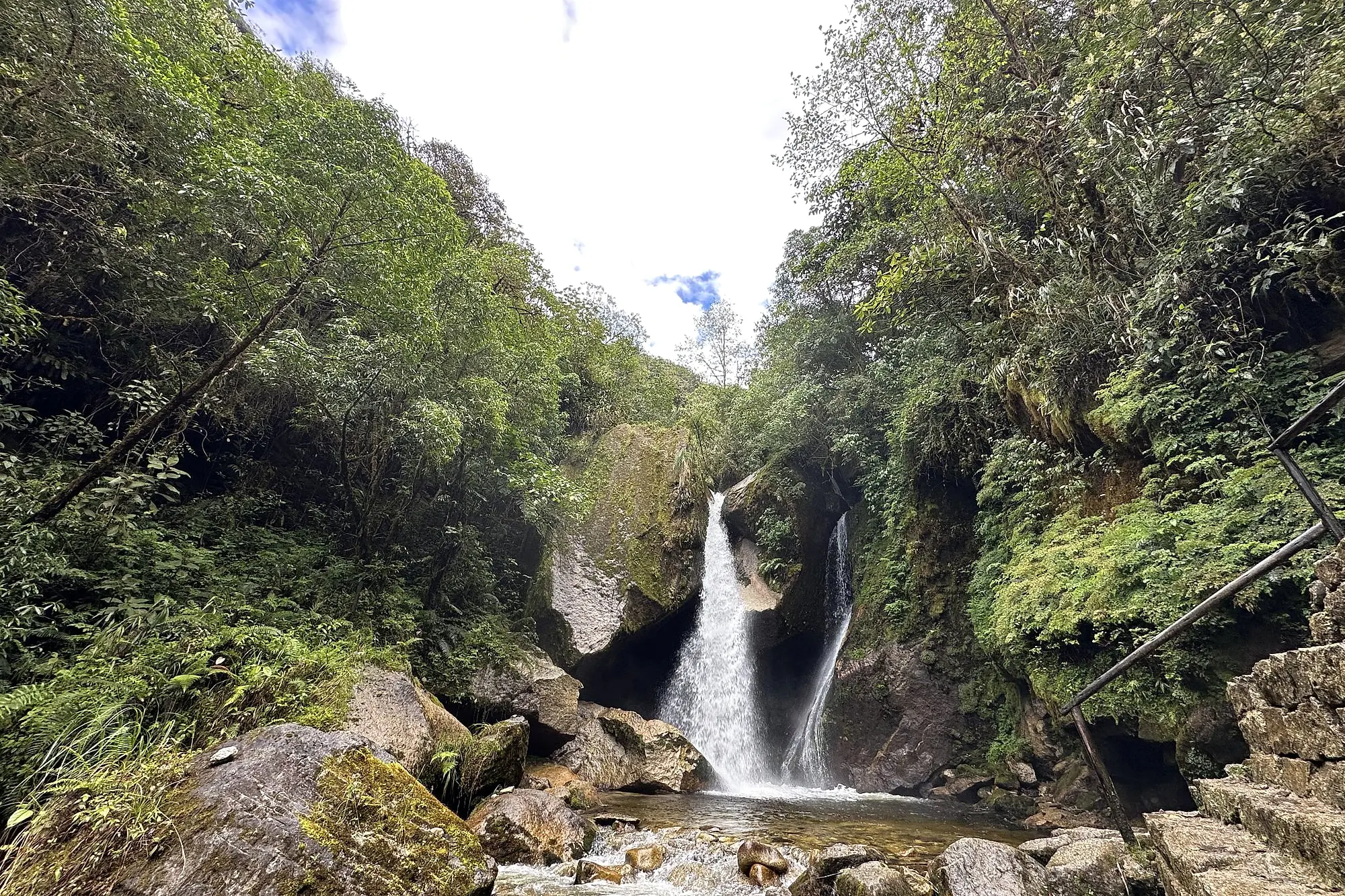
How to get to Machu Picchu: fly Lima to Cusco, drive to Ollantaytambo, take the 1 h 30 train and the bus up. Times, tickets and the order.
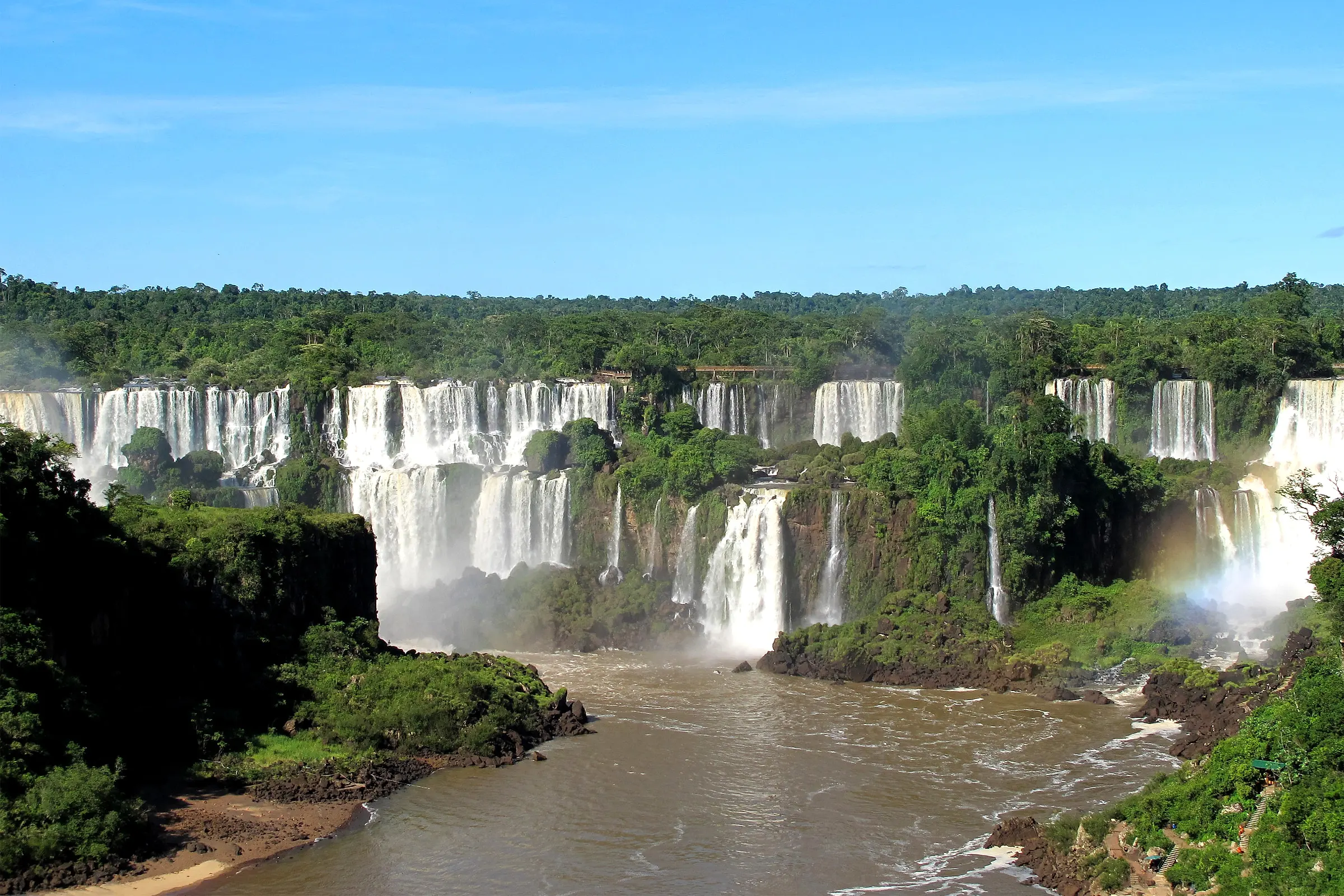
Iguazu Falls Brazil side or Argentina side: the panorama or the walkways, the visa that decides it, and how many days to give the falls.
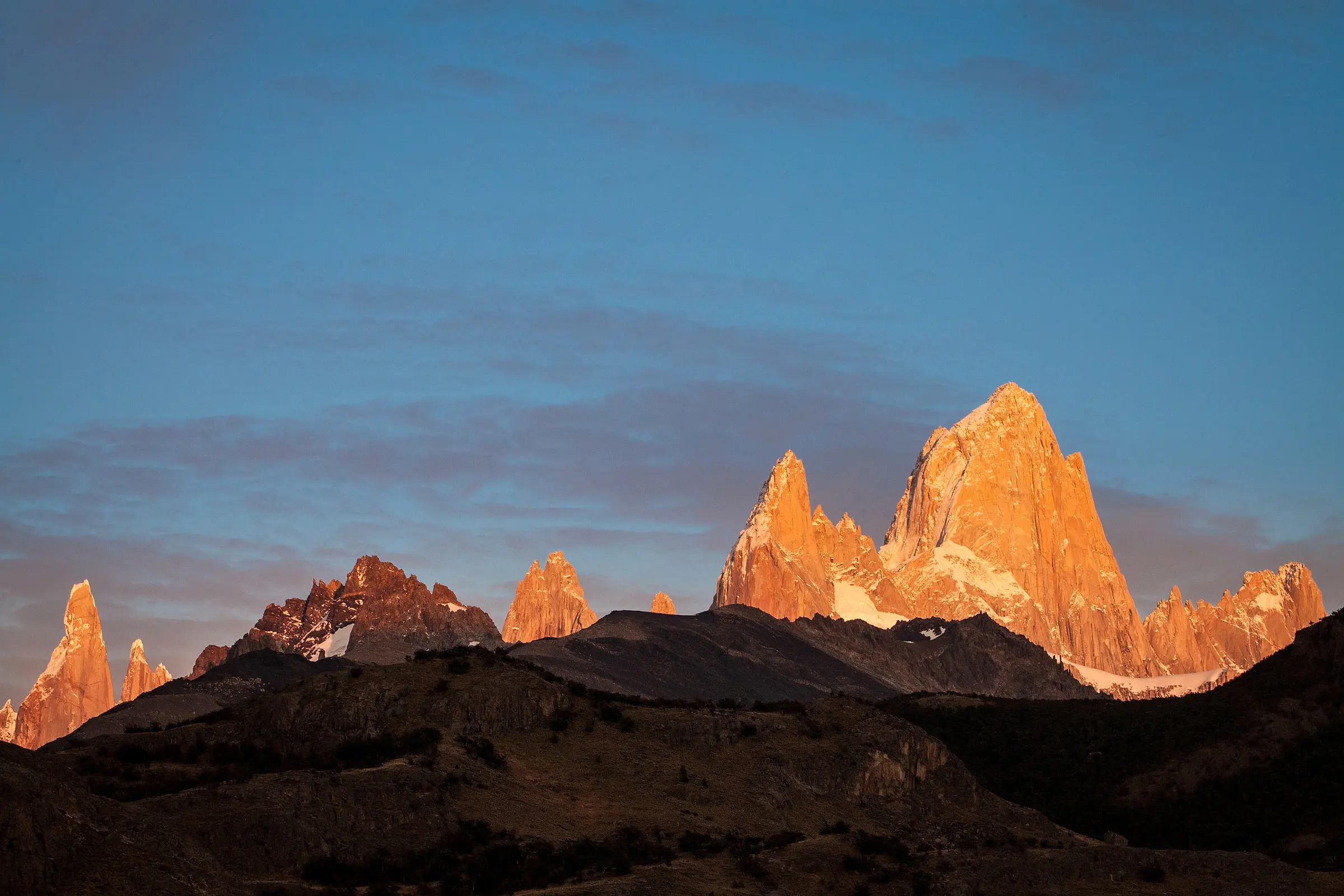
A Patagonia itinerary decided in the right order: Chile, Argentina or both, the road between them, how many days each needs and when to go.
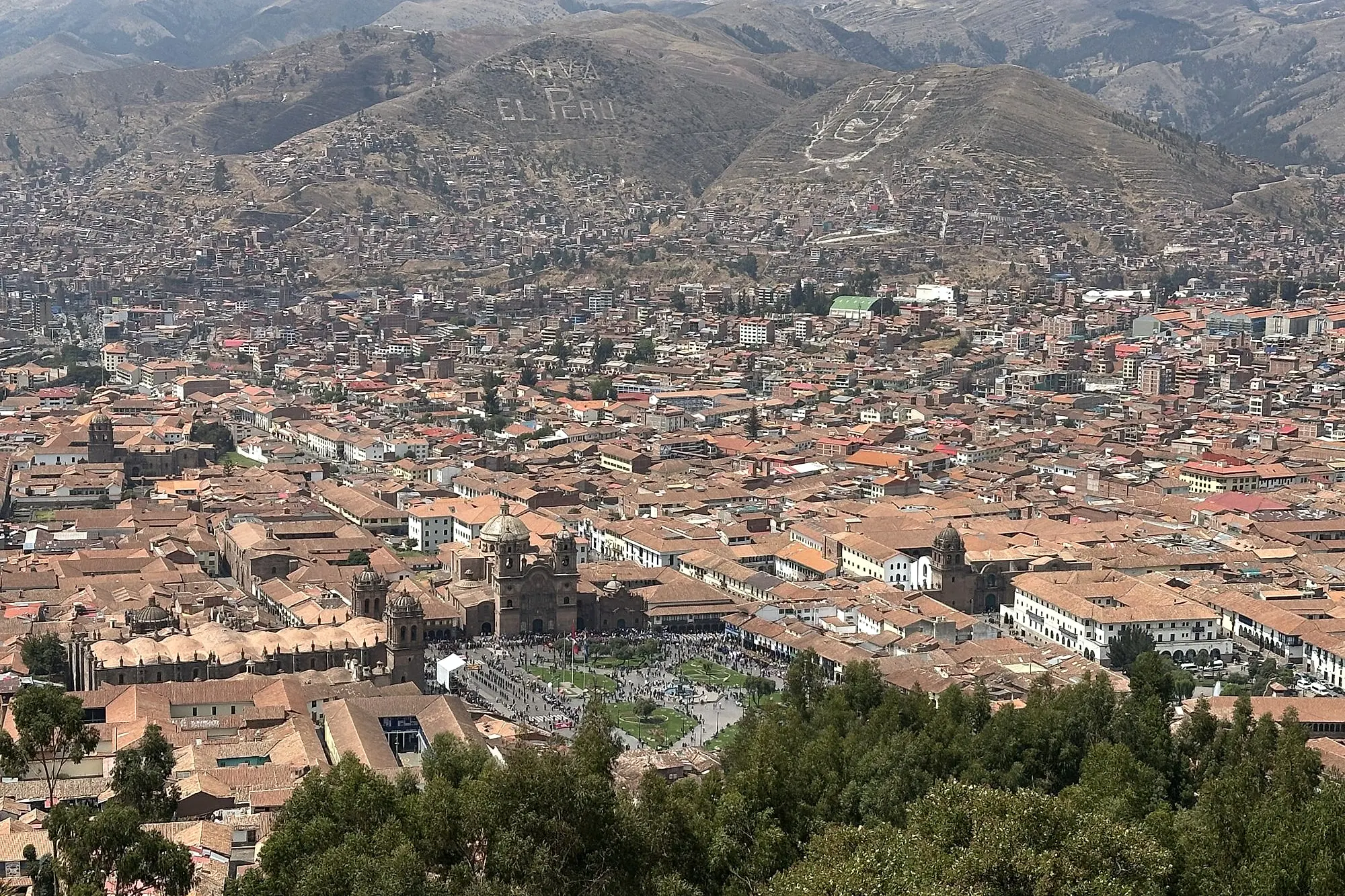
Peru and Bolivia fit together in 13 days: Peru first, low to high, crossing Lake Titicaca by land. What 10, 13 or 17 days buy, and when to go.
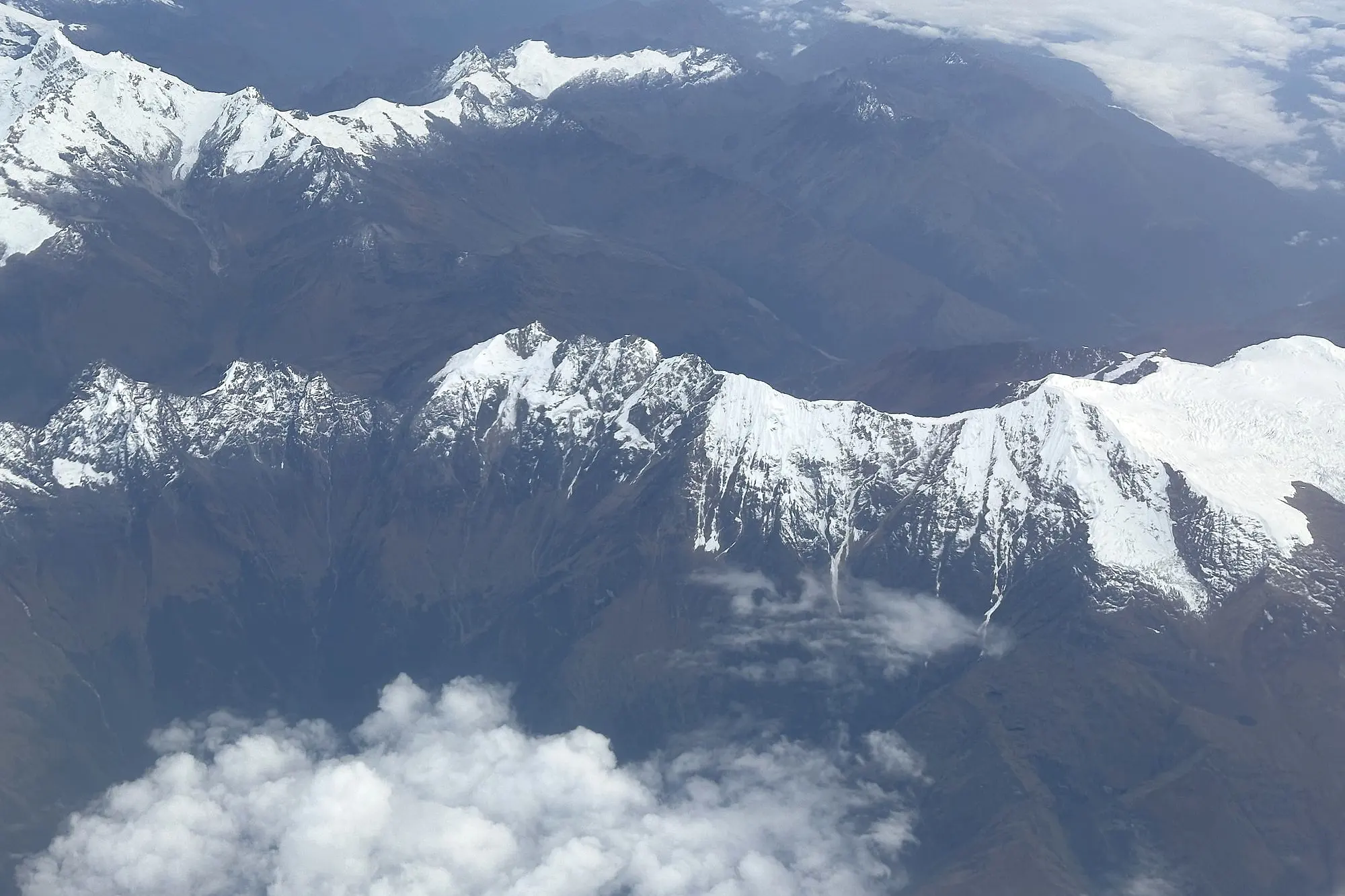
A South America itinerary for 2 or 3 weeks: two countries a fortnight, one half of the continent per season, and the routes that work.
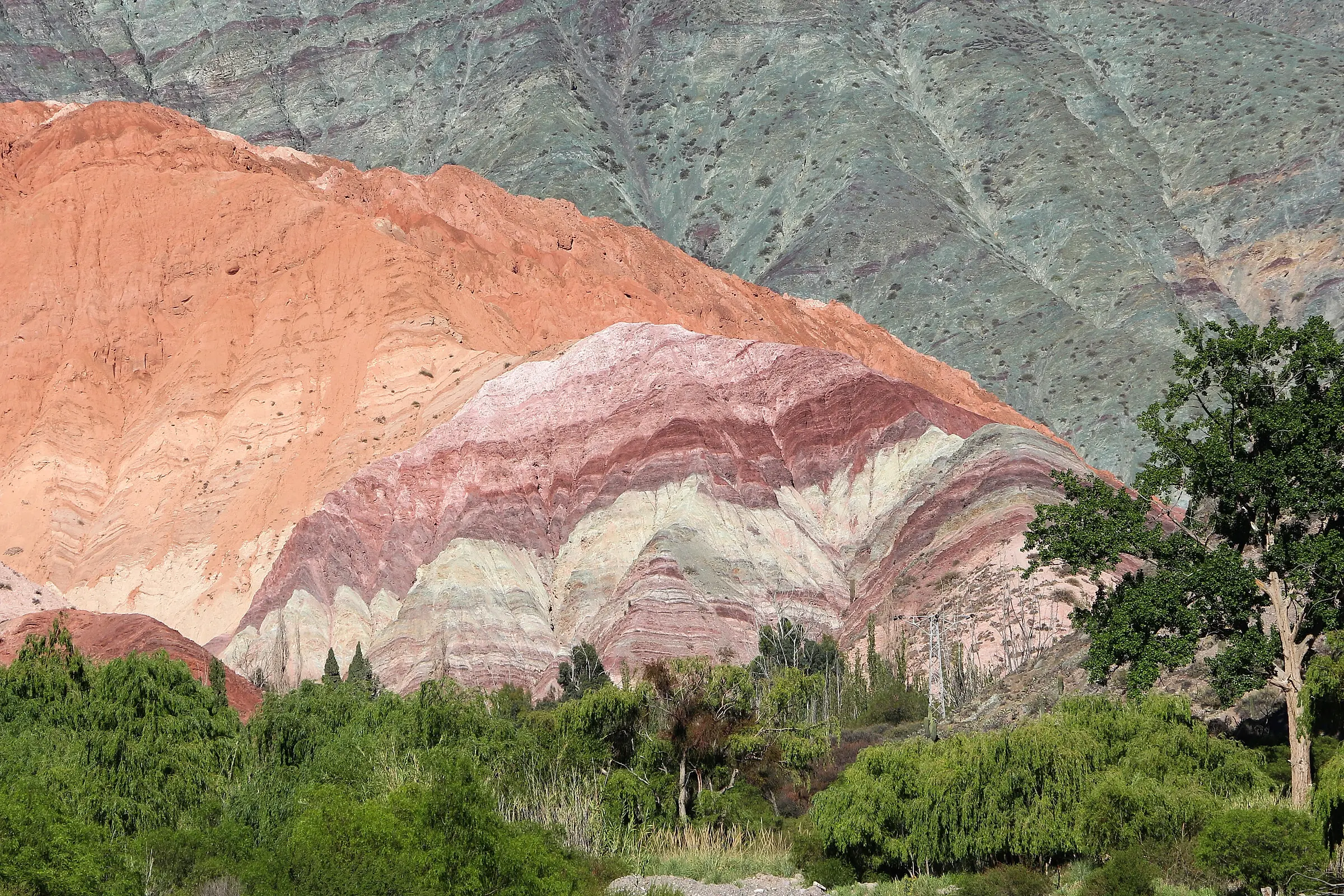
An Argentina itinerary for 7, 10, 14 or 21 days, built on the domestic flights that actually exist, with what each extra region costs you in days.
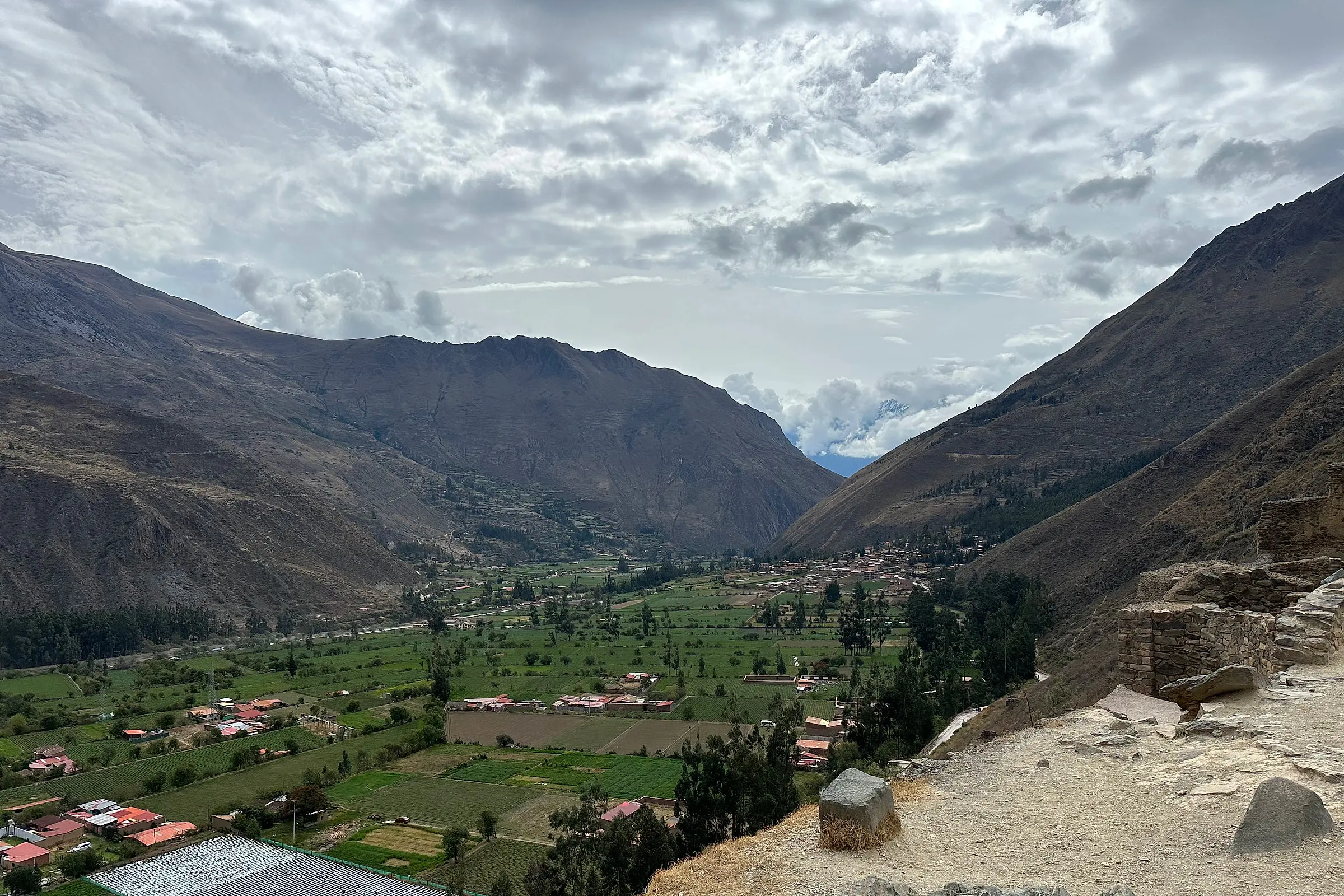
A Peru itinerary for 7, 10, 14 or 21 days: what fits in each, the order that keeps your first Andean nights low, and what every add-on costs in days.
Real numbers, land only, per person per day
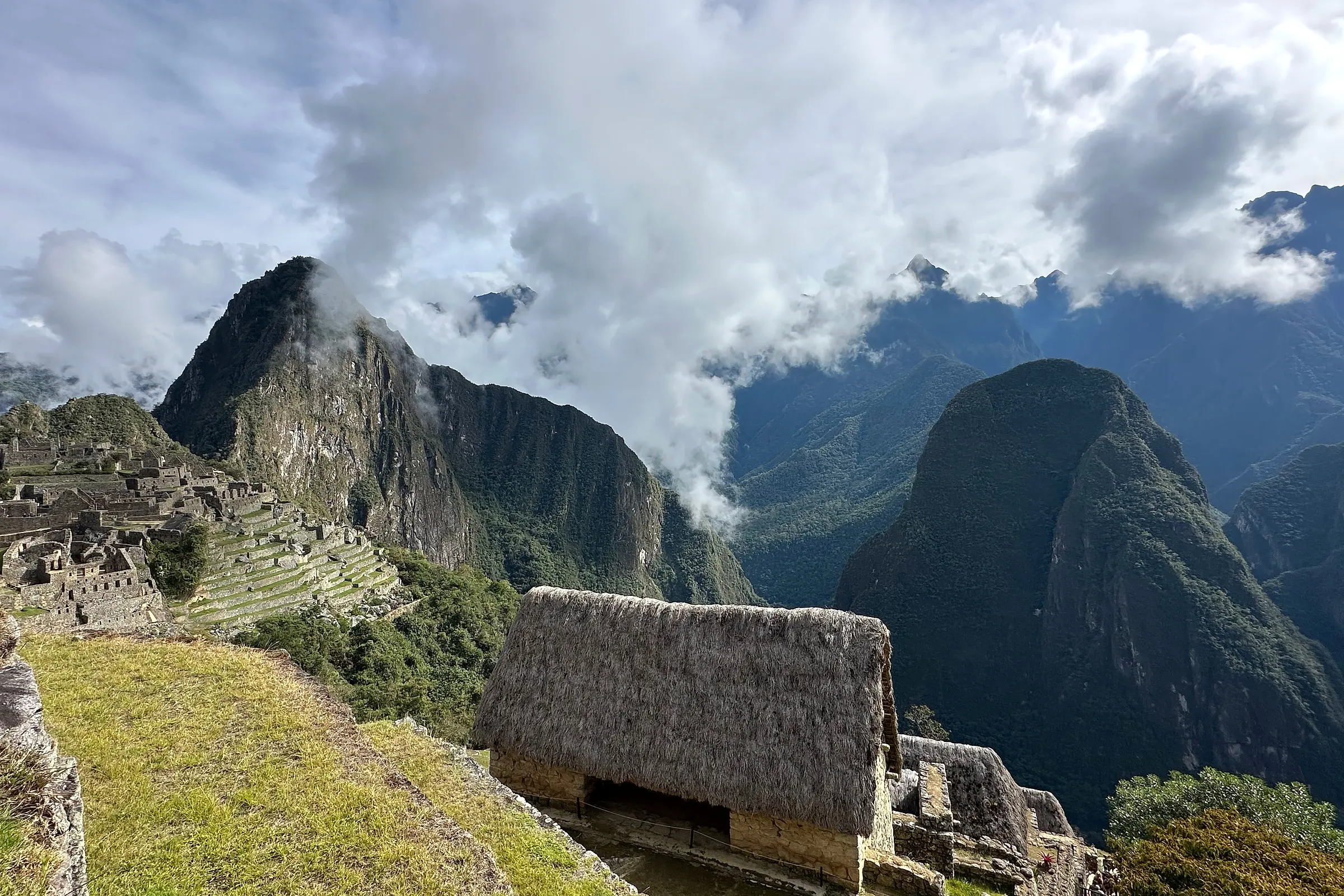
South America travel cost per person per day, land only: $110 to $190 simple, $250 to $420 comfortable and $500 to $900 premium in 2026.
Altitude, safety and what nobody warns you about
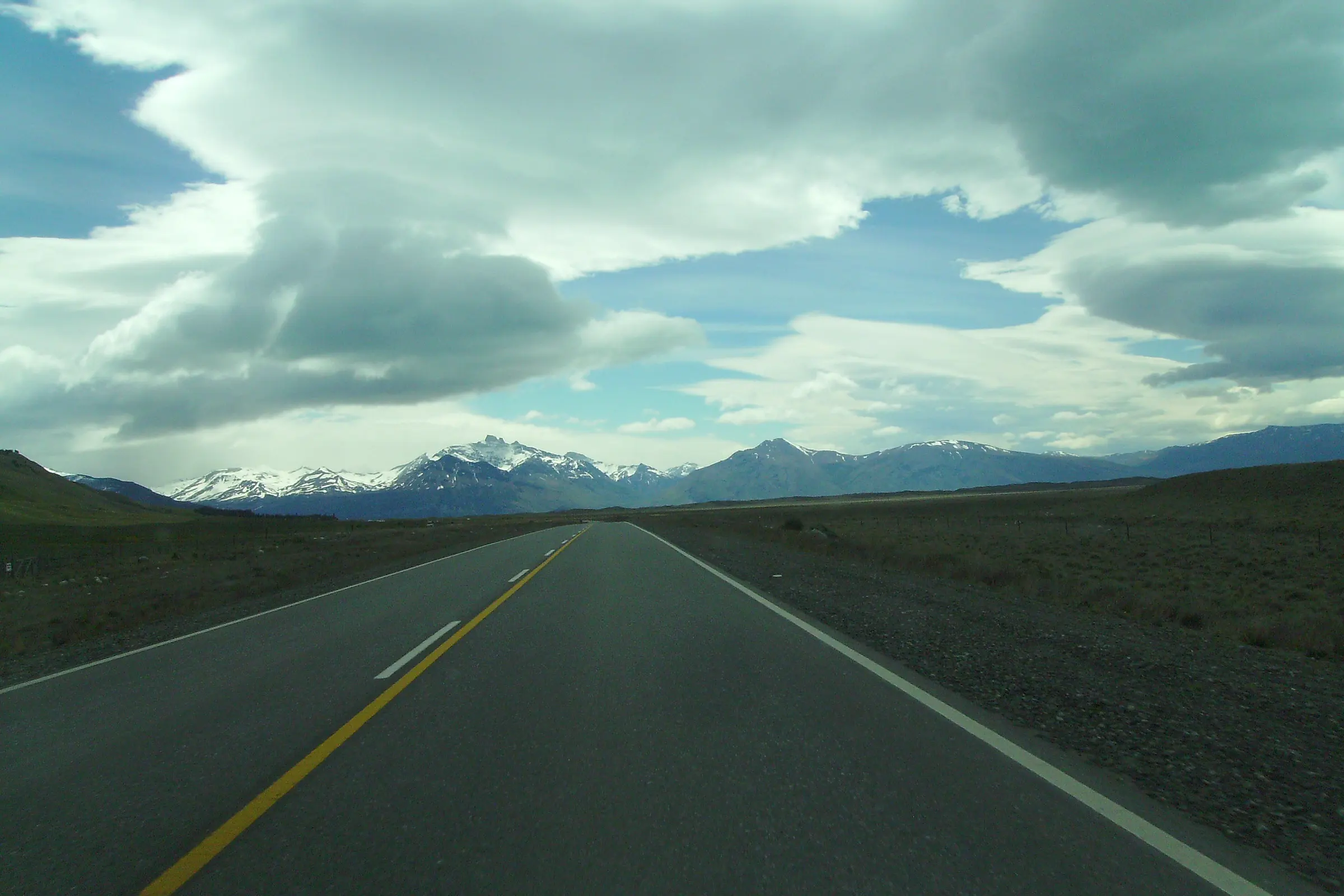
How to get to Patagonia: fly to Santiago or Buenos Aires, then to Punta Arenas or El Calafate. Which airport for each park, and the road between.
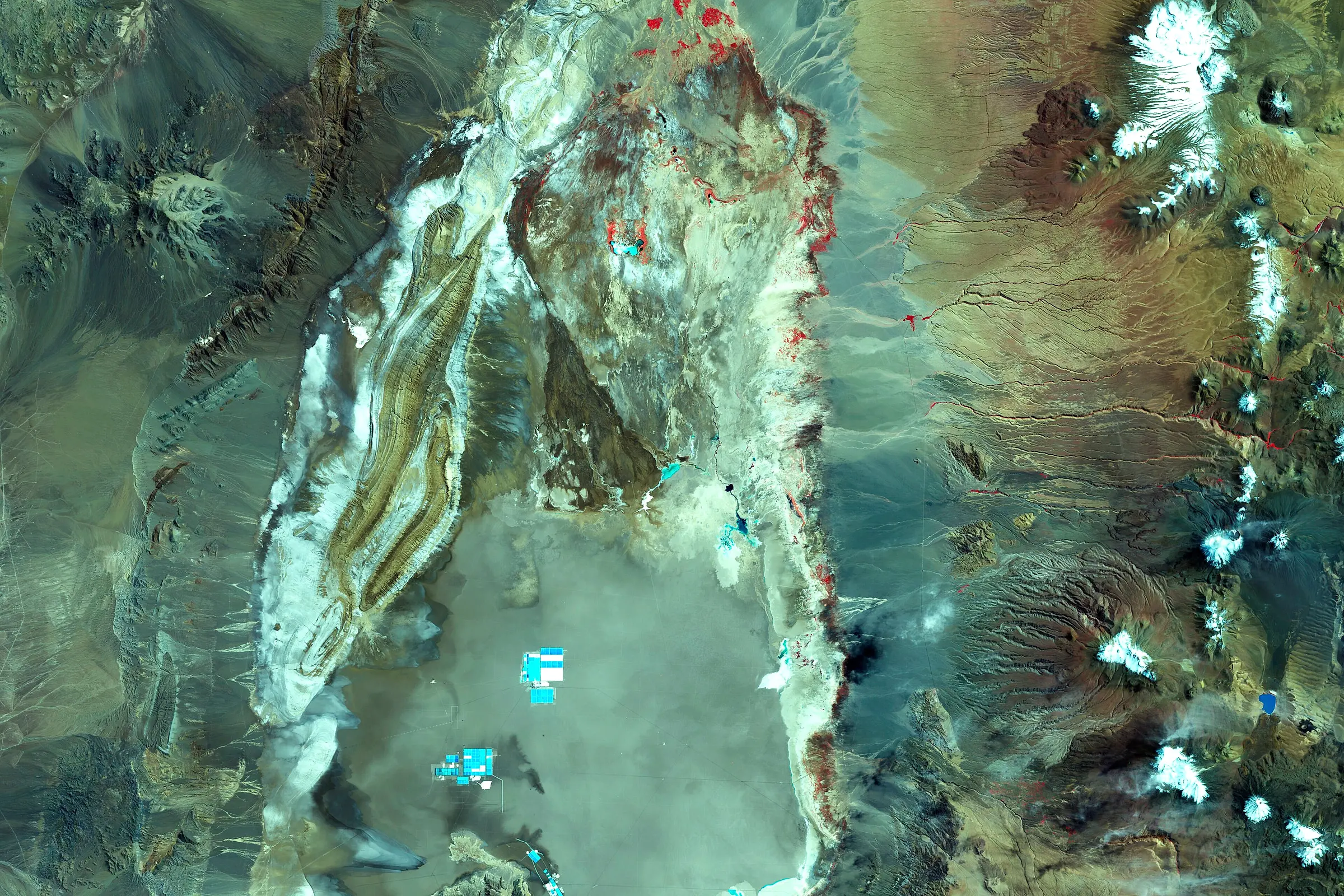
Atacama desert map of northern Chile: San Pedro, the Valle de la Luna, El Tatio, the salt flat and both borders, with altitudes and distances.

Things to do in Buenos Aires by neighbourhood: the Teatro Colón, Recoleta, the San Telmo Sunday fair, La Boca, tango and the river reserve.
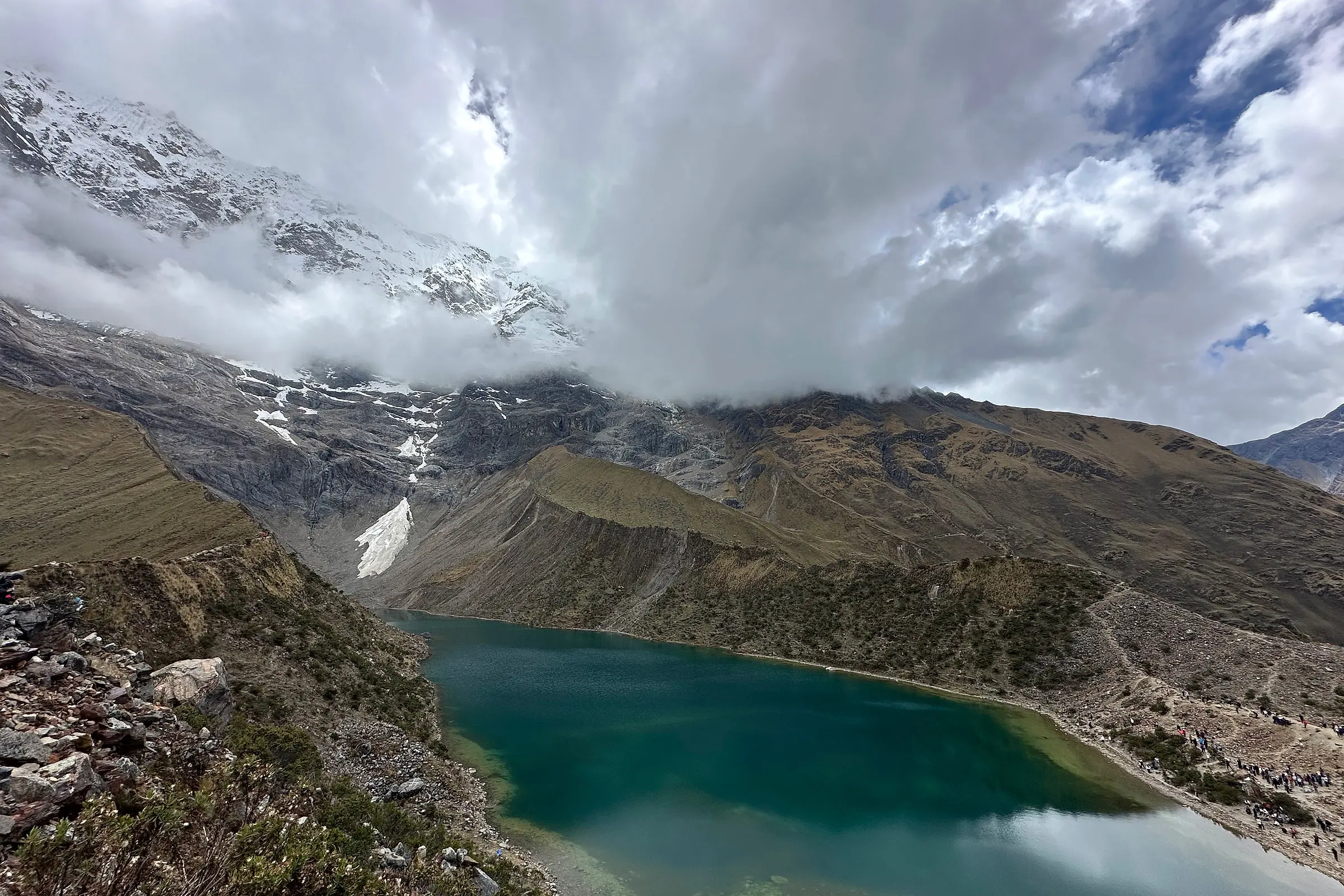
South America altitude, verified: Cusco 3,399 m, Machu Picchu 2,430 m, La Paz airport 4,061 m, and why the order of your route beats any pill.
Almost every trip that goes wrong in South America goes wrong for one of four reasons, and none of them is the hotel. It was booked in the wrong month, so the pass was shut or the falls were low. It gained altitude too fast, so two of the ten days were spent with a headache in a dark room. It was budgeted against a headline price that left out the internal flights and the park fees. Or it tried to fit three countries into twelve days and became a series of airports.
So these guides are organised around those four decisions rather than around destinations. They are the questions we ask you before we plan anything, and they are worth settling before you compare one itinerary against another — because two trips that look alike on a page can differ by a thousand dollars and a week of acclimatisation once you read the detail.
Every figure in these guides carries its source and the date we checked it, because prices, park fees and opening rules in this part of the world change without notice and most pages you will find are quietly out of date. Where two sources disagree, we say so rather than picking the convenient one. Where the honest answer is that there is no good month, we say that too: the Peruvian Andes and the Galapagos want opposite halves of the year, and no amount of writing makes that go away.
What you will not find is a packing list, a list of the ten most beautiful places, or an article that ends by telling you to contact us. If a guide does not help you make a decision, it should not exist.