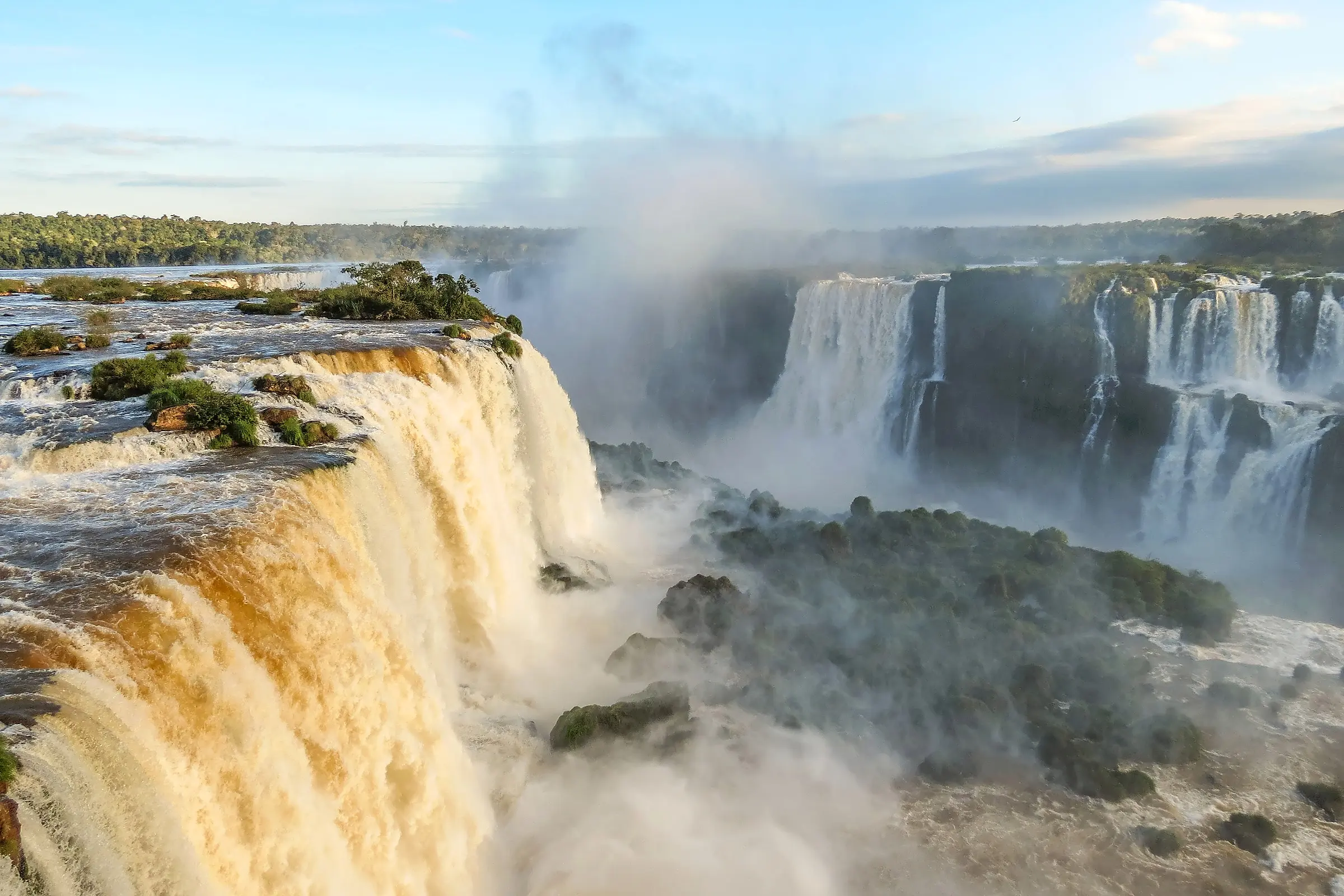
Argentina · 8, 10 or 13 days
Buenos Aires, the Glaciers and Iguazu in 10 Days
From $3,300 per personland only · 4 or more sharing
Tailor-made
Argentina tours built around Buenos Aires, Iguazu and the Patagonian south, in a country that rewards long trips and punishes rushed ones.

Argentina runs 3,700 kilometres from the subtropics to the edge of Antarctica. Asking for the best Argentina itinerary is like asking for the best route across Europe: the honest answer is that it depends which Argentina, and the distances decide more than the wish list does.
Patagonia is the reason most people come, and it has the narrowest window: November to March, with a hard edge on 1 May, when the Perito Moreno corridor drops from twelve usable hours a day to seven. El Calafate for the glaciers, El Chaltén for the Fitz Roy day walks, Ushuaia for the Beagle Channel. Torres del Paine, on the Chilean side, is a road away from El Calafate rather than a flight, and our Chile and Argentina tours put both sides in one trip.
Iguazú is the single most searched thing in the country, and it works all year. What changes is comfort: the average high is 32 °C in January and 22.5 °C in July, the most comfortable time to walk.
Buenos Aires is spring and autumn — October and November, or March and April. January is hot, humid, and half the city is away.
The northwest, Salta and Jujuy, is April to June. It takes 80% of its annual rain between December and March, and only 3% between May and September.
Look at those four and the conflict is obvious: Patagonia peaks in January, and January is the worst month for Buenos Aires and the northwest. There is no month that is good everywhere.
So the planning question is which region gets to decide the dates. In practice Patagonia is the anchor — it has the narrowest window and the least forgiving weather. Without it, October and November or March and April win comfortably. Iguazú adapts to anything, so it never needs to drive the decision.
The internal flights are the itinerary, not a detail. Argentina’s distances mean two to four domestic sectors on almost any route, and some of the ones people assume exist do not. El Calafate to Iguazú has no direct flight — the best connection is eight hours. El Calafate to Bariloche is one flight a day and only in the southern summer.
Buenos Aires has two airports, 22 km apart, with no airside link between them. Aeroparque carries most domestic flights and Ezeiza handles 85% of international traffic — but not reliably: domestic flights do use Ezeiza. If your day ends at one and starts at the other, that is four to five hours, bags collected and re-checked. We put it in the itinerary.
Nothing here is high. Buenos Aires is at 25 m, El Calafate 199 m, Iguazú 162 m, Ushuaia 23 m. Even El Chaltén, in the mountains, is at 397 m. If you have been reading about Cusco and worrying about acclimatisation, none of it applies here.
The best time to visit Argentina guide has the regions month by month.
Sample itineraries
Argentina · 8, 10 or 13 days
From $3,300 per personland only · 4 or more sharing
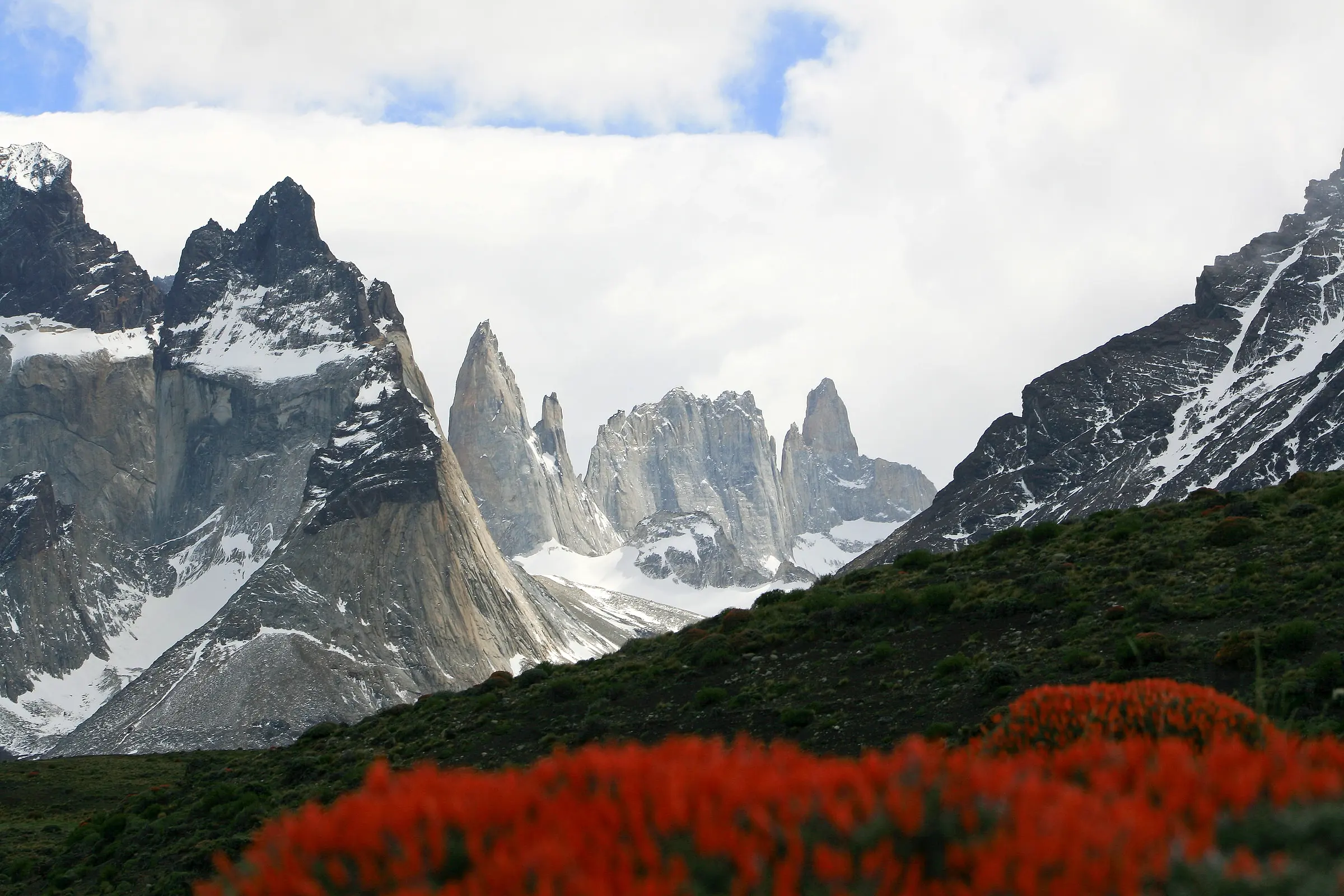
Chile · Argentina · 8, 10 or 13 days
From $3,065 per personland only · 4 or more sharing
Before you go
How many days you really have, how high you are willing to sleep, and which season you are travelling in change a Argentina itinerary more than anything else. These are the ones we get asked before anything about a route.