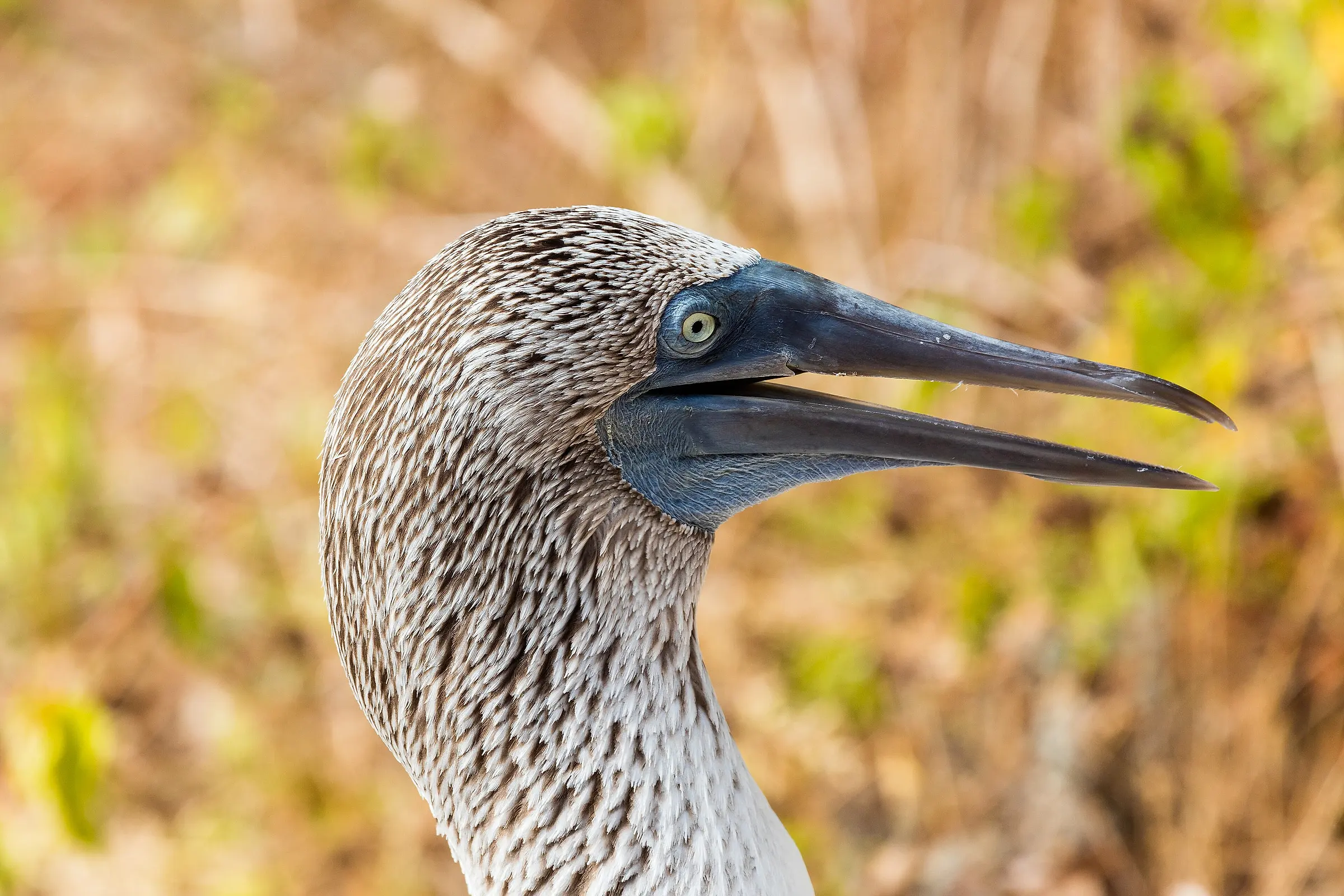
Peru · Ecuador · 10, 12 or 16 days
Machu Picchu and Galapagos: One Trip, Three Lengths
From $4,500 per personland only · 4 or more sharing
Tailor-made
Peru tours built around Machu Picchu, the Sacred Valley and the Amazon: the backbone of most first trips to South America, and the one country almost nobody regrets adding days to.

Most Peru tours are sold as a route: a list of places in the order a map suggests. The order that actually works is decided by altitude, by a ticket quota, and by one month of the year when the country’s most famous trail is shut.
The Andes are why most people come, and the part that needs the most care. Cusco sits at 3,399 m and its airport puts you there straight off an overnight flight. The Sacred Valley floor is at 2,871 m, five hundred metres lower, and Machu Picchu itself is at 2,430 m — below the 2,450 m at which the US CDC considers an unacclimatised traveller at risk at all. The famous part is the low part. Five days is the honest minimum; seven is comfortable. Our Machu Picchu tour packages are built on that core: eight days from Lima, or eleven with three nights in the Amazon at Tambopata.
The coast is Lima, and Lima is a food city with a world-class pre-Columbian museum, not a beach. Two days, and be warned that between June and September it sits under cloud — the city records 28 hours of sunshine in the whole of August.
The Amazon is two different places. Iquitos, in the north, has no dry season at all: its driest month still delivers 170 mm, more than Cusco’s wettest. Puerto Maldonado, in the south, does have one, from June to August. Three nights minimum either way, because the first and last are travel.
We come down from Cusco airport to the Sacred Valley without stopping in the city, keep you two nights low, and go up to Cusco at the end of the Andean leg. The CDC’s guidance is that two to three nights at 2,450–2,750 m before going higher is “markedly protective”. Almost every itinerary you will compare does the opposite and runs the Cusco city tour on day one. Our South America altitude guide lists the height of every stop.
We also quote land only. International and internal flights are priced separately, because a package that hides Lima–Cusco inside the headline figure cannot be compared with one that does not. The daily ranges by comfort level are in our South America travel cost guide.
The Inca Trail closes for the whole of February, every year, by regulation — not by custom. It is Article 10 of the Sustainable Tourism Regulation for the trail network.
Machu Picchu’s daily cap is 4,500 for most of the year and 5,600 from 19 June to 2 November, and four of its ten routes are sold in high season only. Tickets for the following year go on sale in mid-November, staggered by travel month. To walk the Inca Trail in June you book in November.
The best time to visit Peru guide has the month-by-month numbers, including why April and May are not the quiet alternative everyone claims.
Sample itineraries
Peru · Ecuador · 10, 12 or 16 days
From $4,500 per personland only · 4 or more sharing
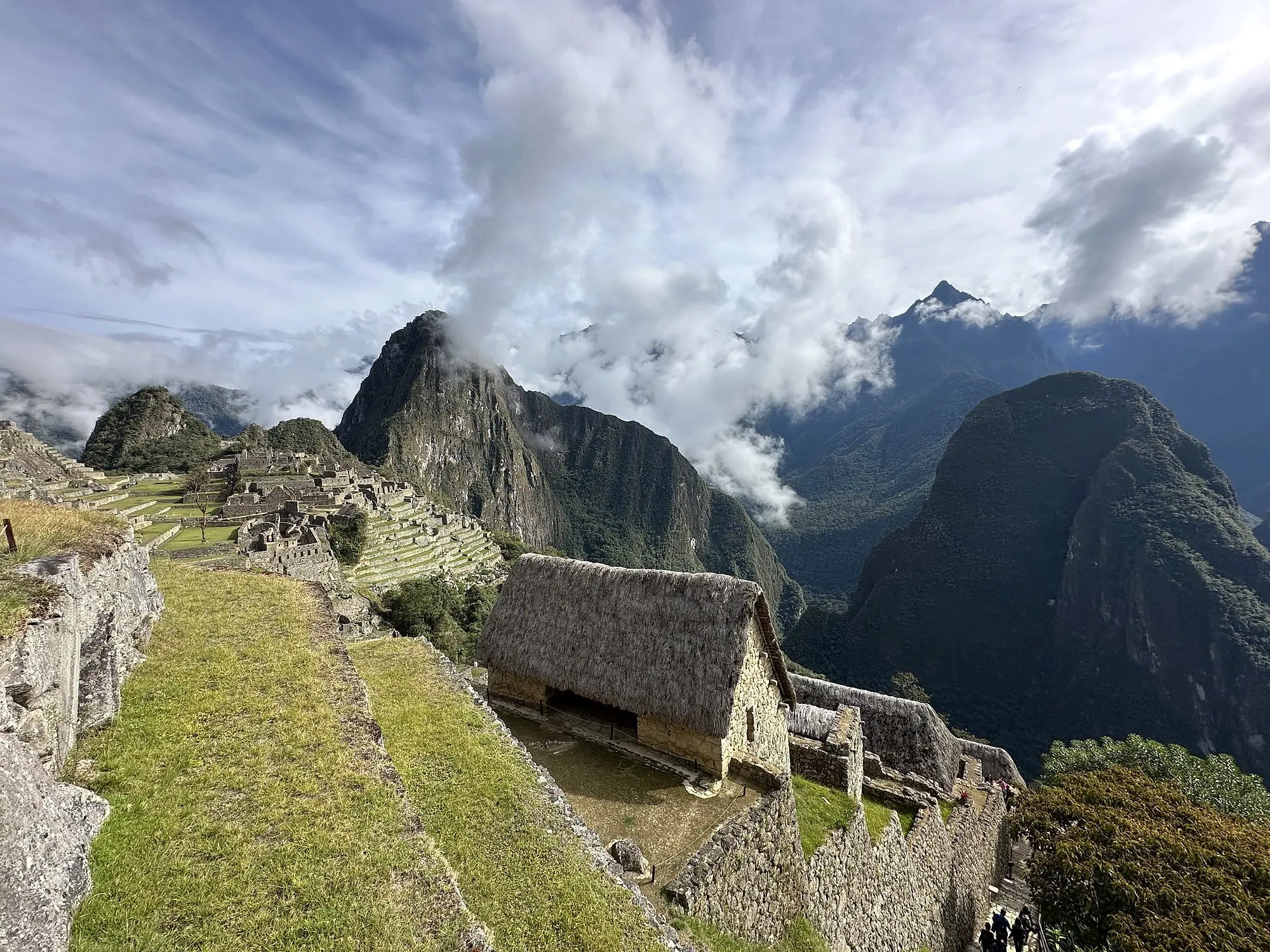
Peru · 8 or 11 days
From $2,300 per personland only · 4 or more sharing
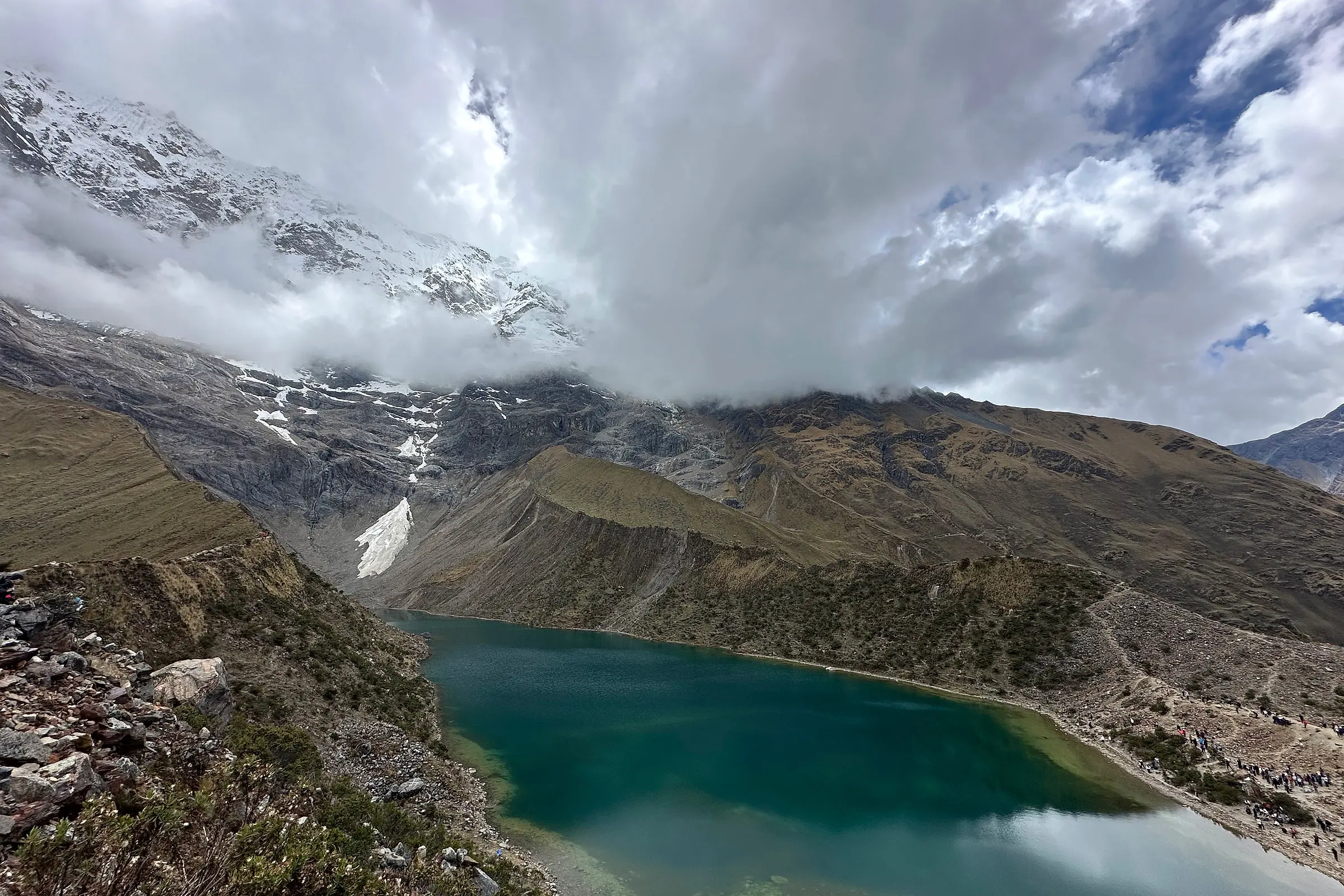
Peru · Bolivia · 13 days
From $3,600 per personland only · 4 or more sharing
Before you go
How many days you really have, how high you are willing to sleep, and which season you are travelling in change a Peru itinerary more than anything else. These are the ones we get asked before anything about a route.