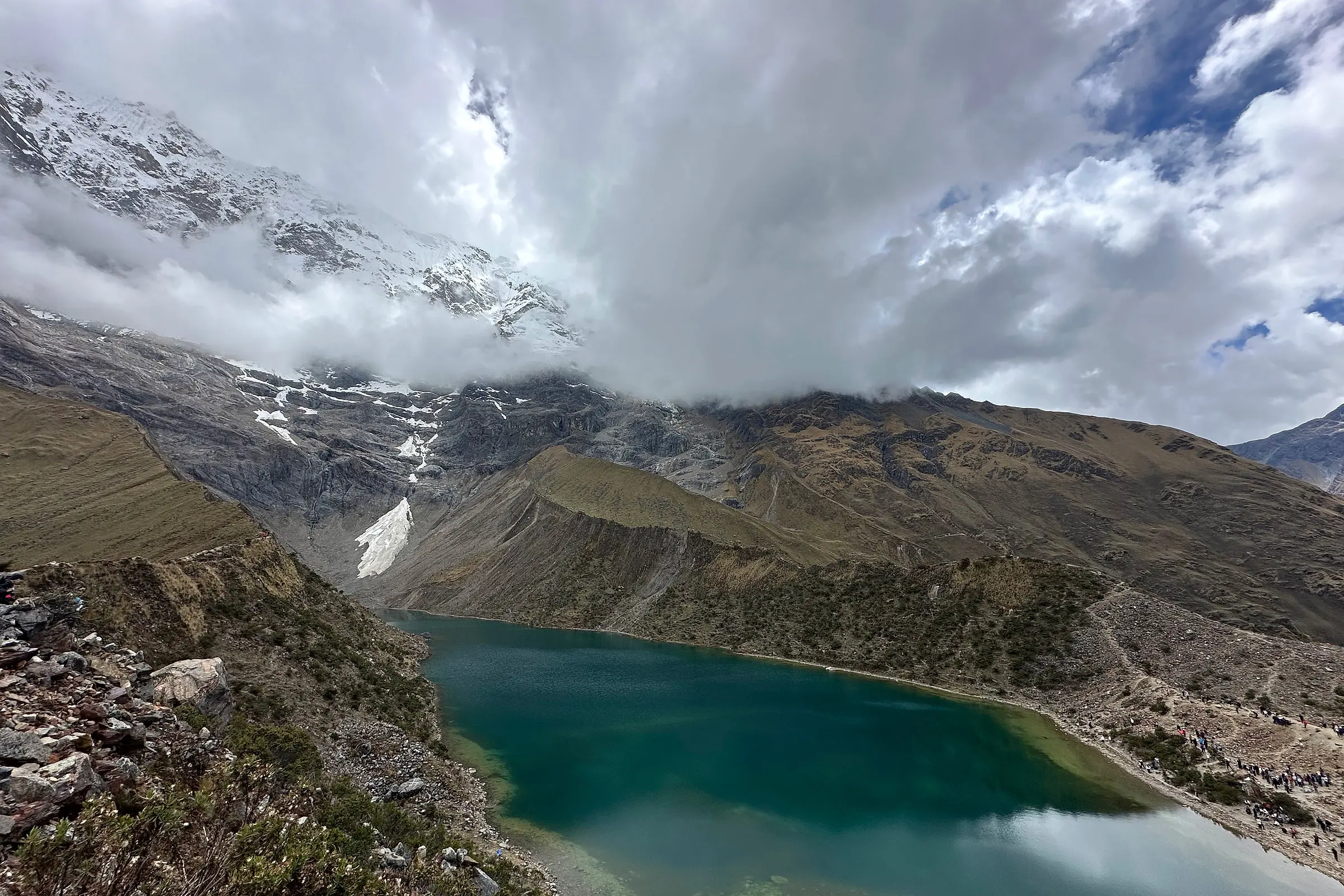
Peru · Bolivia · 13 days
Peru and Bolivia Tour: Andes, Titicaca and the Salt Flats
From $3,600 per personland only · 4 or more sharing
Tailor-made
Bolivia tours through Uyuni, La Paz and the altiplano: the natural continuation of a Peru itinerary, and the reason to add a week rather than a weekend.

Bolivia is the highest country most travellers will ever visit, and that is the whole planning problem. La Paz’s airport at El Alto is at 4,061 m — one of the highest international airports in the world. Fly straight into it from sea level and the first two days are spent in a hotel room.
Every one of our Bolivia trips is built around that fact: private, tailor-made, and sequenced so that you reach the salt flat already acclimatised rather than on day two out of a plane.
The altitude ladder only runs one way. Cusco is 3,399 m, Lake Titicaca 3,812 m, La Paz about 3,650 m, the Uyuni salt flat 3,656 m and Potosí 4,067 m. Arrive from Lima and you climb in steps over a week. Arrive direct from Miami and you land above 4,000 m on day one.
That is why almost every Bolivia trip we build is the second half of a Peru itinerary, crossing the altiplano overland from Puno. It costs two days and buys you the whole country working properly. The South America altitude guide has the ascent rules and the thresholds.
Uyuni is the reason most people come, and it is not a day trip. The salt flat is the size of a small country and the three-day 4x4 circuit south of it — coloured lagoons, flamingos, the Siloli desert — is the part people remember. One day on the salt is a photograph. Three is a journey.
La Paz is a city in a canyon with a cable car network as public transport, and it is the best urban day in the Andes. Sleep in the Zona Sur at about 3,250 m rather than the centre at 3,600 m; the CDC names this exact trick for both La Paz and Cusco.
Lake Titicaca and the Isla del Sol are the natural bridge from Peru, and the crossing at Copacabana is one of the few land borders worth doing on purpose.
Sucre and Potosí are the colonial half of the country. Sucre, at 2,810 m, was inscribed by UNESCO in 1991 and is the easiest city in Bolivia to spend three slow nights in, which is exactly what the altitude asks for. Potosí, under the silver mountain of Cerro Rico, has been on the List of World Heritage in Danger since 2014. Our Uyuni route passes through it without a night there, because at about 4,070 m it is the wrong place to sleep.
We sell two itineraries that cross Bolivia, and they solve the altitude problem from opposite ends.
| Peru and Bolivia | Bolivia on its own | |
|---|---|---|
| Length | 13 days | 9, 12 or 15 days |
| Where you land | Lima, at sea level | Santa Cruz, at about 400 m |
| How you climb | Sacred Valley, Cusco, Puno, then along Titicaca by road | Samaipata, three nights in Sucre, then Uyuni |
| Salt flat | The last two days of the trip | The centre of the trip, with the Lípez desert behind it on the 12- and 15-day versions |
| Who it suits | A first trip to the Andes, with Machu Picchu | Travellers who have already done Peru |
The Peru and Bolivia tour is the one most people choose: Machu Picchu, the lake and La Paz in the order the body wants them, finishing on the salt.
The Uyuni salt flats tour enters Bolivia through the lowland east instead of El Alto, so night one is spent near sea level. Its fifteen-day version carries a real reserve day for the desert road and finishes over the border in San Pedro de Atacama, in Chile.
Bolivia rewards time more than most countries, because the distances are long and the altitude sets the pace. As a rule of thumb from the routes we run:
Whatever the length, keep a day free before the international flight home. Uyuni’s airport has no international service and usually one or two flights a day to La Paz, so a cancellation there is normally a lost day rather than a short delay.
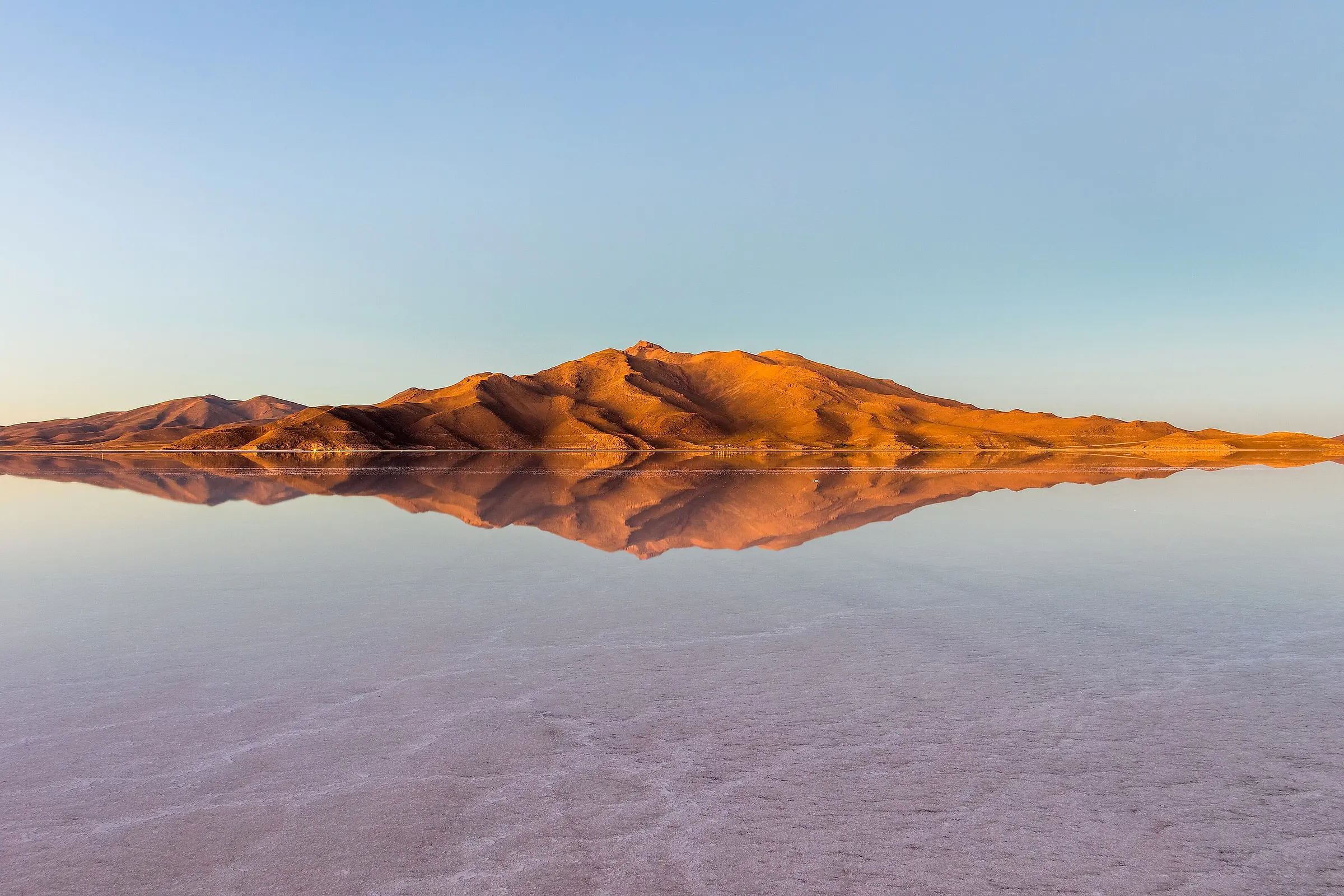
Dry season is May to October, and that is when the salt flat is a white hexagonal crust you drive across. December to March is when a few centimetres of water turn it into the mirror everyone has seen in photographs — but roads on the southern circuit can close. You are choosing between two different places, not between good weather and bad.
Our month-by-month guide to Bolivia’s seasons sets out which month gives you which salt flat, and how cold the nights get.
Checked on 1 October 2026. Advisories change; read the current versions before you book.
For a trip that moves by road, the bigger practical risk in Bolivia in 2026 is disruption, not crime: blockades and fuel shortages can stop a travel day without warning. Here is what the official sources say today.
Neither of our routes goes anywhere near Chapare. What both can be exposed to is a blocked road on a travel day, and that is the risk to plan around.
These are the measures already written into our two Bolivia itineraries:
If a road we need is blocked, we do not try to cross it. The FCDO’s advice is the same.
Sample itineraries
Peru · Bolivia · 13 days
From $3,600 per personland only · 4 or more sharing
Bolivia · 9, 12 or 15 days
From $3,720 per personland only · 4 or more sharing
Before you go
How many days you really have, how high you are willing to sleep, and which season you are travelling in change a Bolivia itinerary more than anything else. These are the ones we get asked before anything about a route.